Lingonberries in dentistry: Nordic tradition meets modern science
Key Highlights
- From folk remedy to science: Research led by Dr. Pirjo Pärnänen shows that fermented lingonberry juice (FLJ) delivers clinically measurable benefits for oral health, validating centuries-old Nordic traditions.
- Microbiome-friendly and enamel-safe: Fermentation removes sugars while preserving polyphenols, allowing FLJ to reduce harmful bacteria and yeast, support beneficial microbes, and avoid enamel damage.
- A natural option for dry mouth and gum health: Clinical studies link FLJ to improved saliva function, reduced inflammation markers, less plaque and bleeding, and safer long-term support compared with chemical mouthwashes.
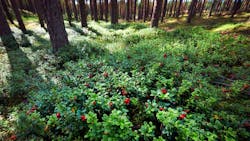
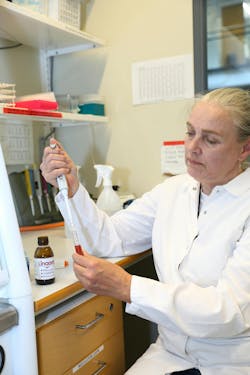
For centuries, lingonberries (Vaccinium vitis-idaea L.) have been a staple of Nordic folk medicine—used to soothe sore mouths, aid digestion, and fight infections. Today, modern research is validating many of these claims, positioning the tart, ruby‑red berry as an unexpected but promising adjunct in oral health care.
For nearly two decades, Dr. Pirjo Pärnänen, a dentist and researcher at the University of Helsinki, has been at the center of this research. Her work has helped move lingonberry-based oral care from folklore toward scientifically evaluated clinical applications.
The idea to study the oral‑health benefits of lingonberries arose directly from Dr. Pärnänen’s clinical observations.
“While working as a dentist, I noticed that individuals using asthma medication or struggling with blood‑sugar regulation often developed yeast infections, which then progressed to oral thrush,” she explains.
These recurring infections prompted a key question: could traditional berry‑based remedies influence the oral microbiome in a clinically meaningful way?
A Nordic remedy rediscovered
Lingonberries are small, tart berries native to boreal forests, Arctic tundra, and high-altitude regions across the Northern Hemisphere—particularly Fennoscandia and parts of North America. They grow on low evergreen shrubs and are closely related to cranberries.
Rich in antioxidants, vitamins C and E, and diverse bioactive plant compounds, lingonberries are valued for their health‑promoting properties. In English, they are most commonly called lingonberries, but they are also known as cowberries or mountain cranberries.
Of particular interest to scientists are their high levels of polyphenols—especially cyanidins—which contribute to antimicrobial, antioxidant, and anti‑inflammatory activity.
Early comparative studies showed that lingonberries contain higher concentrations of certain phenolic compounds than cranberries, bilberries, or black currants, according to Dr. Pärnänen.
Seeing lingonberries through a clinical lens
Lingonberries have long been used in Nordic folk medicine to manage ailments such as oral thrush and stomach unease, Dr. Pärnänen notes. These remedies typically relied on lingonberry juice or extracts, believed to have antibacterial and anti‑inflammatory effects.
“In the past, Finland’s health clinics advised placing lingonberries on a child’s tongue to treat thrush caused by yeast. I wondered whether there could be a scientific basis for this folk remedy,” Dr. Pärnänen recalls.
In 2007, she began her first systematic clinical studies, comparing wild and commonly used berries, including bilberry, cranberry, strawberry, and black currant. Lingonberry quickly stood out, prompting more in-depth research.
“Lingonberries have higher levels of certain phenolic compounds than other berries, which makes them exceptionally potent,” she explains.
Early clinical trials using unprocessed lingonberry juice, however, were disappointing.
“The sugars in the juice feed yeasts. The solution was fermentation—once the sugars were removed, the effects on oral health became positive,” says Dr. Pärnänen.
Several studies show that fermented lingonberry juice (FLJ) can inhibit harmful bacteria and yeasts in the mouth.1-3 At the same time, it promotes the growth of beneficial probiotic lactobacilli, helping shift the oral microbiome from an unhealthy imbalance to a healthier, more stable state. This improved microbial balance may also benefit overall health.4,5 Laboratory studies also suggest that FLJ can slow the growth of cells linked to oral cancer.6
“Polyphenols beneficial for oral health are preserved after fermentation, but without sugar. This means the product does not damage enamel or nourish harmful microbes,” Dr. Pärnänen explains.
A natural ally for dry mouth and gum health
Dry mouth is common but often overlooked in dentistry. Medicines, long-term health problems, and aging can decrease saliva production, making teeth and gums more susceptible to cavities, infections, inflammation, and other oral problems.
Dr. Pärnänen says that up to a third of adults have some level of dry mouth. Since saliva helps protect teeth and gums, decreased saliva secretion can lead to serious dental problems.7
With oral diseases affecting more than 3.5 billion people worldwide, interest is growing in supportive strategies that are safe, nonpharmacological, and compatible with long‑term medication use. In this context, several clinical trials at the University of Helsinki have shown that FLJ increases saliva secretion and improves saliva buffer capacity, while reducing gum inflammation and protecting against yeast infections—safely and naturally.8
“Natural ingredients have sometimes been dismissed as nonsense, but folk traditions do not arise out of thin air. The forest has always been our pharmacy,” Dr. Pärnänen notes.
Fermentation unlocks the power of lingonberries
Following years of development and evaluation, Dr. Pärnänen’s fermented lingonberry formulation was granted class I medical device status. Use of the product is simple, she notes.
“Swish the solution for 30 seconds and spit it out. A two‑week, twice-daily course is effective. For longer‑term use, once a day is sufficient,” she advises, adding that FLJ contains no additives and is therefore harmless if accidentally swallowed.
Several studies show that FLJ can support oral health and help prevent common oral diseases. For example, a 2023 study found that regular use of the FLJ oral rinse reduced harmful bacteria, such as Streptococcus mutans and Candida, as well as gum bleeding and plaque.1
In the study, FLJ was also linked to lower levels of aMMP‑8, a marker of gum tissue breakdown and inflammation. It even slightly decreased pocket depths, according to Dr. Pärnänen.
More recently, dental hygienist, clinical expert (YAMK)/PhD, and postdoc researcher Hanna Lähteenmäki, who also acts as the president of the Finnish Association of Dental Hygienists (FADH), tested at her clinic in Tampere, Finland, the effectiveness of FLJ (Lingora) in an oral spray format, in adults with dry mouth symptoms.9
Results of this pilot study were published in the Dentistry Journal (December 2025), revealing that FLJ in a spray format helped reduce early gum disease and made the mouth feel more comfortable.9
“Used four times daily after meals, the spray reduced gum bleeding, plaque, and the inflammation marker aMMP‑8. While saliva levels didn’t change over the one-month study, the outcomes reveal the potential of Lingora to support gum health naturally,” Lähteenmäki explains.
She calls the FLJ-based spray “a convenient, safe, and natural alternative to chemical mouthwashes.”
“It complements regular brushing and flossing and can assist in maintaining oral comfort and hygiene, especially for those with dry mouth or yeast infections,” she points out.
Before this work, Lähteenmäki investigated the effects of the FLJ oral rinse in patients with dental implants. With results published in 2022 in Clinical and Experimental Dental Research, this study was the first to evaluate FLJ’s effects on dental implant health using clinical indices and the inflammatory biomarker aMMP-8 in peri-implant sulcular fluid. The findings show that FLJ rinsing reduced plaque, bleeding on probing, and inflammatory activity, despite the short 15-day study period.10
Supporting patients safely and naturally
According to Dr. Pärnänen, clinical results of the study examining the effects of FLJ in a spray formula correspond with previous laboratory data on lingonberry polyphenols. Cyanidin‑rich compounds suppress key pro‑inflammatory mediators—including IL‑6 (Interleukin‑6) and TNF‑α (Tumor Necrosis Factor‑alpha)—that drive periodontal and systemic inflammation. They may also help gums and other tissues heal by boosting the body’s natural tissue-building processes.5
“This helps keep the gums healthy and strong,” Dr. Pärnänen clarifies.
She added that lingonberries also exhibit antibacterial, antiviral, and antifungal activity, supporting a healthier microbial balance in the oral cavity.
“Lingonberries have been used in Finland for generations,” Lähteenmäki notes. “Now research shows they really can support oral health—safely and effectively.”
For Dr. Pärnänen, the research journey is still unfolding, with much still to be revealed about FLJ.
“Several follow-up studies are already underway, and the early results are very encouraging. Wild berries contain complex bioactive compounds that cannot be replicated in a lab, and they truly deserve a place in modern oral health research,” Dr. Pärnänen says.
She adds that a gel-based product is now in development, has already demonstrated encouraging antimicrobial results in laboratory studies, and is set to move into clinical trials.
Dry mouth: A growing challenge in dentistry—and how fermented lingonberry rinse can help
Dry mouth, or xerostomia, is increasingly common in dental practice. It often arises as a side effect of long‑term medication use or as an autoimmune condition, such as Sjögren’s syndrome, in which moisture‑producing glands are affected. Persistent oral dryness may also signal diabetes. Cancer therapies, particularly head‑and‑neck radiation, can permanently damage salivary glands.
Reduced salivary flow increases the risk of caries, fungal infections, halitosis, and periodontal disease, making xerostomia a key concern in preventive care.
Recognizing the signs
Common indicators include:
- Waking at night to drink water
- Difficulty swallowing dry foods
- Increased caries incidence
- Persistent halitosis
For dental professionals, these signs warrant attention, as they may reflect systemic disease and elevated oral‑health risk.
Who is most affected?
- Patients using antihypertensives, antidepressants, diuretics, or antihistamines
- Individuals with autoimmune diseases, particularly Sjögren’s syndrome
- People with diabetes or prediabetes
- Patients undergoing cancer therapy
- Older adults with age‑related reductions in salivary flow
Dry mouth is common among older adults and people on long-term medications, leading to increased risks of cavities, gum inflammation, and plaque buildup.
Careful daily oral hygiene remains essential, but natural products that alleviate dry mouth symptoms offer an extra layer of protection.
“Lingonberries have been used in Finland for generations,” Hanna Lähteenmäki, dental hygienist, postdoc researcher and president of the Finnish Dental Hygienists’ Association, notes. “Now research shows they really can also support oral health—safely and effectively.”
Editor’s note: This article first appeared in Clinical Insights newsletter, a publication of the Endeavor Business Media Dental Group. Read more articles and subscribe.
References
- Pärnänen P, Lomu S, Räisänen IT, Tervahartiala T, Sorsa T. Antimicrobial and anti-inflammatory oral effects of fermented lingonberry juice–a one-year prospective human intervention study. Eur J Dent. 2023;17(4):1235-1240. doi:10.1055/s-0042-1759619
- Pärnänen P, Nikula-Ijäs P, Sorsa T. Antimicrobial and anti-inflammatory lingonberry mouthwash – a clinical pilot study in the oral cavity. Microorganisms. 2019;7(9):331. doi:10.3390/microorganisms7090331
- Pärnänen P, Lähteenmäki H, Tervahartiala T, Räisänen IT, Sorsa T. Lingonberries—general and oral effects on the microbiome and inflammation. Nutrients. 2021;13(11):3738. doi:10.3390/nu13113738
- Pärnänen P, Räisänen IT, Sorsa T. Oral anti-inflammatory and symbiotic effects of fermented lingonberry juice–potential benefits in IBD. Nutrients. 2024;16(17):2896. doi:10.3390/nu16172896
- Pärnänen P, Niikko S, Lähteenmäki H, et al. Lingonberry (Vaccinium vitis-idaea L.) fruit phenolic bioactivities–a review of in vitro and in vivo human studies. Microorganisms. 2024;12(9):1850. doi:10.3390/microorganisms12091850
- Hoornstra D, Vesterlin J, Pärnänen P, et al. Fermented lingonberry juice inhibits oral tongue squamous cell carcinoma invasion in vitro similarly to curcumin. In Vivo. 2018;32(5):1089-1095. doi:10.21873/invivo.11350
- Dry mouth. National Institute of Dental and Craniofacial Research. Reviewed October 2024. https://www.nidcr.nih.gov/health-info/dry-mouth
- Pärnänen P, Lomu S, Räisänen IT, Tervahartiala T, Sorsa T. Effects of fermented lingonberry juice mouthwash on salivary parameters–a one-year prospective human intervention study. Dent J (Basel). 2022;10(4):69. doi:10.3390/dj10040069
- Lähteenmäki H, Pärnänen L, Räisänen IT, Sakko M, Pärnänen P, Sorsa T. The effect of fermented lingonberry spray on oral health—a pilot study. Dent J (Basel). 2025;13(12):568. doi:10.3390/dj13120568
- Lähteenmäki H, Tervahartiala T, Räisänen IT, Pärnänen P, Sorsa T. Fermented lingonberry juice's effects on active MMP-8 (aMMP-8), bleeding on probing (BOP), and visible plaque index (VPI) in dental implants–a clinical pilot mouthwash study. Clin Exp Dent Res. 2022;8(6):1322-1330. doi:10.1002/cre2.638
 treatment-for-oral-mucositis-oral-cancer
 dreamstime_xxl_4284125
About the Author
 Nina Garlo-Melkas, MSc
Nina Garlo-Melkas, MSc
Nina Garlo-Melkas, MSc, is a health and science journalist.