Mocktails and the mouth: Are mocktails healthier than alcohol?
Key Highlights
- Growing interest in Dry January and reduced alcohol intake has fueled the popularity of mocktails as a social alternative.
- While alcohol reduction lowers systemic health risks, mocktails may still impact oral health through sugars, acids, dyes, and xerostomia-inducing ingredients.
- Dental professionals should assess mocktail habits, document sobriety choices, and counsel patients on moderation and potential oral effects.
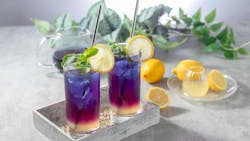
January is here, and after all the celebrations are over, many people tend to see this month as a reset for their overall health. Thus, people are more conscious about making healthier food and beverage choices over the next 31 days. As a result, the term “dry January” was coined a few years back.1 Throughout the month, many people choose to abstain from alcohol. Interestingly enough, even when the month of January has come and gone, many people are starting to recognize the dangerous effects of heavy alcohol consumption, and consumers are showing an interest in slowing down.
Recently, research showed that more people are drinking less alcohol in general.2 In a survey, only 54% of participants reported drinking any sort of alcohol, but those 54% said their consumption is much less.2
Alcohol and its systemic effects
Deciding to slow down or become sober from alcohol is a significant decision.3 It is substantial in the fact that by choosing to refrain or abstain from alcohol consumption, one can lower their risk of several health concerns. Research shows that individuals are less likely to have several different kinds of cancer, including oral/pharyngeal, if they do not consume any or very little alcohol throughout their lifetime.4 In addition to cancer, alcoholic beverages cause other health concerns, such as xerostomia, decreased cognitive abilities, uneven gait, liver issues, cardiovascular concerns, and GI and pancreatic health issues.3
Alcohol and culture
The other significance of the decision to limit or cut out alcohol is because of how much of a presence alcohol plays in our culture.3 Alcohol is everywhere. Celebrations, memorials, birthdays, holidays, happy hours, nightcaps, religion, and even the average day can all give a person a reason to crack a cold one. It is estimated that more than half of American adults consume alcohol.5
Enter mocktails
Because of Americans’ desire to consume less alcohol but still feel like they can socialize, the “mocktail” was born. A mocktail is a nonalcoholic beverage made from various ingredients to resemble an alcoholic beverage.6 The first mocktail ever concocted was a Shirley Temple!6,7 Common ingredients in mocktails include juices, teas, fruit peels, various syrups, sodas, milks, sugars, dyes, nootropics, adaptogens, and tinctures.6-8
Interestingly, some people feel that because they are drinking a mocktail and not an actual alcoholic beverage that they are being healthier. One could argue that mocktails are healthier. However, in the oral cavity and oropharynx, mocktails may cause changes that may become evident during dental appointments.
Mocktails’ effects on the oral cavity
Ingredients such as sodas, milk, carbonated water, and syrups can increase a patient’s caries risk due to the sugars or sweeteners used to make a mocktail. Other ingredients, such as carbonation, fruit peels, tinctures, adaptogens, and nootropics, can be acidic and may alter a patient’s oral pH, promoting enamel demineralization and increasing the risk of caries. Some of the tinctures, adaptogens, and nootropics have shown that they can induce xerostomia, similar to alcohol. Finally, dyes, both natural and synthetic, are found in some of these ingredients. The dyes may cause patients to notice that their smile darkens with consumption.6-9
Currently, there is limited research on how mocktails in general affect the oral cavity. Since we have a list of their ingredients, we can examine the changes based on the individual ingredients’ capacity to alter the mouth. To know more specifically what changes are occurring in a patient’s mouth due to the consumption of a mocktail, you would need to identify the mocktail the patient is having. Other vital questions to ask the patient include the frequency of beverage intake, the glass size, and the number of days per week the patient drinks.
As mocktails become more popular, we can expect to see more research on their effects on the mouth. It should be documented in a patient’s medical records if they are choosing sobriety. Patients should be reminded that some oral antibacterial rinses contain alcohol, and they should refrain from using them if they are trying to avoid alcohol.
Additional reading: You gave a patient in recovery an alcohol-based mouth rinse. What now?
Finally, health professionals recommend limiting mocktails to one or two per consumption period, regardless of their ingredients. Despite feeling like they are healthier, professionals still argue the old rule that everything in moderation is key. The CDC states that men should be drinking no more than two alcoholic beverages a day, and women should be drinking no more than one.4 These same recommendations should also be applied to mocktails.
This article was published not to make any reader feel conscious about their decision on whether to consume alcohol. Alcohol consumption is a personal choice, along with choosing sobriety. The author seeks to highlight that mocktail consumption can alter the oral cavity and to help oral practitioners identify these changes in their patients.
Editor’s note: This article first appeared in Clinical Insights newsletter, a publication of the Endeavor Business Media Dental Group. Read more articles and subscribe.
References
- Diaz J. Dry January started with 1 person years ago-now it’s a phenom. NPR. January 1, 2025. https://www.npr.org/2026/01/01/nx-s1-5662527/the-origins-of-dry-january
- Mello-Klein C. Why are people drinking less in the US? A beer historian has the answers. Northerneastern Global News. August 18, 2025. https://news.northeastern.edu/2025/08/18/why-people-are-drinking-less-alcohol/
- Berkley A. How to get sober from alcohol: getting sober and starting a recovery. Alcohol.org. Updated July 29, 2025. https://alcohol.org/helping-an-alcoholic/getting-sober/
- Alcohol and cancer risk. National Cancer Institute. Reviewed May 2, 2025. https://www.cancer.gov/about-cancer/causes-prevention/risk/alcohol/alcohol-fact-sheet
- Data on excessive alcohol use. U.S. Centers for Disease Control and Prevention. August 6, 2024. https://www.cdc.gov/alcohol/excessive-drinking-data/index.html
- Austin D. Mocktails are on the rise. But are they actually better for you than alcoholic beverages? USA Today. June 11, 2025. https://www.usatoday.com/story/life/health-wellness/2025/06/11/what-is-a-mocktail/84044261007/
- Dabkowski J. Mocktails – alcohol free, but does that make them healthy? Houston Methodist. February 22, 2024. https://www.houstonmethodist.org/blog/articles/2024/feb/mocktails-alcohol-free-but-does-that-make-them-healthy/
- Muhammad Abdullah H. Mocktails & more: benefits & risks with alcohol alternatives. Hackensack Meridian Health. January 20, 2025. https://www.hackensackmeridianhealth.org/en/healthu/2025/01/20/mocktails-and-more-benefits-and-risks-with-alcohol-alternatives
- 3 refreshing mocktail tips for a sober night in. Delta Dental of Iowa. December 30, 2024. https://www.deltadentalia.com/a-healthy-life/healthy-you/3-refreshing-mocktail-tips/
About the Author
 Tracee S. Dahm, MS, BSDH, RDH
Tracee S. Dahm, MS, BSDH, RDH
Tracee S. Dahm, MS, BSDH, RDH, is an adjunct clinical instructor for the North Idaho College School of Dental Hygiene in Coeur d’Alene, Idaho, and she also works in private practice. She has been published in several dental journals, magazines, webinars, and textbooks. Tracee is a key opinion leader on cutting-edge innovations in the hygiene field. Her research interests include trends in dental hygiene, improving access to dental care for the underserved, and mental health. Contact her at [email protected].