Herbal supplements dental professionals should be asking about in medical histories
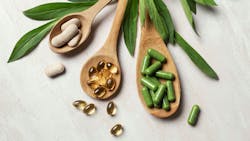
Accurate and up-to-date medical history plays an important role safe dental care, but many patients aren’t reporting herbal supplements and over-the-counter vitamins that they’re taking. Although many patients view these products as benign because they’re “all natural,” some supplements can increase bleeding risk, affect anesthetic response, and hinder postoperative recovery—particularly in surgical, periodontal, and sedation-based procedures.
For dental professionals, the concern is not whether patients are taking supplements, but whether clinicians are consistently identifying combinations that may alter treatment planning or increase procedural risk. Herbal capsules and vitamins can cause adverse reactions that are just as serious as prescription drugs, especially if combined with other medications.
Here’s a breakdown of herbal products and vitamins that warrant closer attention during medical history reviews.
Combinations clinicians should be aware of
Anesthesia interference
Taking vitamins or herbal supplements with high doses before undergoing both local and general anesthesia can also cause concern.1 They can enhance sedative effects, which may delay recovery and make it harder to wake up after surgery. Kava, St. John’s wort, and Valerian are all natural plant supplements that can interfere will anesthesia efficacy.2
Valerian is a grassland plant that’s primarily taken to reduce anxiety and combat insomnia.3 Similarly, St. John’s wort is a flowering shrub that’s used to treat depression, somatic sleep disorder, and menopausal symptoms.4 Kava is a root plant known for its calming effects and ability to treat anxiety and stress.5
Blood thinners
Some supplements can be dangerous when taken with aspirin because they act as blood thinners. This may be dangerous when used alongside anticoagulants because such a combination can affect the body's blood clotting ability during surgery.
Some supplements carry the risk of excessive bleeding or developing hematoma during or after surgery, which is extremely dangerous. Cranberry, turmeric, ginger, and even green tea have the potential to interfere with bleeding levels following a surgical procedure.6 Additionally, horehound (commonly found in cough remedies and lozenges) can alter influence blood glucose levels, which may pose a risk to diabetic patients.7
It’s also important to know whether patients are taking anticoagulants such as warfarin. According to Today’s RDH, “Many supplements including cranberry, fish oil, garlic, ginkgo, ginseng, St. John’s wort, and vitamin E can affect the anticoagulant drug’s effectiveness and can, depending on the supplement, can increase or decrease the patient’s international normalized ratio (INR), which determines the patient’s prothrombin time.”2
Other vitamins and supplement interactions
Finally, some vitamins which may be taken to improve oral health issues at home may impact clinical care and surgery outcomes.
Vitamin D supplements, for example, can lead to weak teeth and increased risk of caries or decay—may patients take it alongside vitamin K2 to improve calcium absorption and strengthen their bones.8
Elderberry, primarily taken for the immune system, can adversely react with immunosuppressants such as glucocorticoids, which are commonly used to mitigate inflammation and pain during dental procedures. This interaction can potentially exacerbate immune responses.6
Protecting patient health
Since herbal supplements and vitamins are now routine components of many patients’ daily health regimens, incorporating targeted questions about over-the-counter (OTC) and herbal products into medical history reviews is paramount to safe patient care, especially when it comes to oral surgery or procedures that involve sedation.
As supplement use continues to rise, clinical awareness—not patient assumptions—remains the primary safeguard for safe and predictable dental treatment.
References
- Shankland WE 2nd. Four common herbs seen in dental practice: properties and potential adverse effects. Cranio. 2009;27(2):118-24. doi: 10.1179/crn.2009.018. PMID: 19455923.
-
Today’s RDH. https://www.todaysrdh.com/the-importance-of-knowledge-on-dietary-supplement-use/
-
Valerian: A safe and effective herbal sleep aid? Mayo Clinic. https://www.mayoclinic.org/diseases-conditions/insomnia/expert-answers/valerian/faq-20057875
-
St. John’s wort. Mayo Clinic. https://www.mayoclinic.org/drugs-supplements-st-johns-wort/art-20362212#:~:text=Depression.,you%20take%20any%20other%20medicines.
-
Kava. Better Health. Medically reviewed December 8. 2022. https://www.betterhealth.vic.gov.au/health/healthyliving/kava
-
Abebe W. Review of herbal medications with the potential to cause bleeding: dental implications, and risk prediction and prevention avenues. EPMA J. 2019;8;10(1):51-64. doi: 10.1007/s13167-018-0158-2
- Research suggests horehound candy may lower blood glucose. UCLA Health. March 21, 2025. https://www.uclahealth.org/news/article/research-suggests-horehound-candy-may-lower-blood-glucose
-
Abebe W. An overview of herbal supplement utilization with particular emphasis on possible interactions with dental drugs and oral manifestations. J Dent Hyg. 2003 Winter;77(1):37-46. PMID: 12704968.
About the Author

Sarah Butkovic, MA, BA
Sarah Butkovic, MA, BA, is an Associate Editor at Endeavor Business Media, where she works on creating and editing engaging and informative content for today's leading online dentistry publications. She holds a Master's English Language and Literature from Loyola University Chicago and is passionate about producing high-quality content that educates, inspires, and connects with readers.