Sotalol: When “LOL” is no laughing matter
Key Highlights
- Sotalol is a high-risk antiarrhythmic with QT-prolonging effects that require careful dental treatment planning.
- Coordinate with cardiology before invasive procedures and carefully evaluate epinephrine, anticoagulants, and other medications.
- Watch for oral effects such as xerostomia, taste changes, and lichenoid drug reactions in patients taking sotalol.
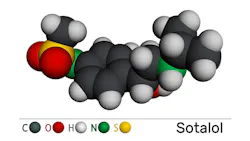
I was recently talking with a patient who happens to be a subspecialty cardiology pharmacist. I mentioned an article I'd written about amiodarone, and she stopped me mid-sentence: "I hope you're writing about sotalol next."
This medication is just as much a red flag as amiodarone; the difference is that sotalol is used for V-tach (ventricular tachycardia).1 V-tach, is a dangerously fast heart rhythm that keeps the heart from filling with blood properly, starving the body and brain of oxygen. Left untreated, V-tach can degrade into ventricular fibrillation, a chaotic rhythm in which the heart stops pumping blood altogether. Sotalol is also prescribed for atrial fibrillation, atrial flutter, and other rhythm disorders, so the warning reaches well beyond the V-tach population alone.
I admitted to the pharmacist that when I see “lol” at the end of a medication name, I immediately think it is a beta-blocker for hypertension. Sotalol is a good reminder of why that kind of shorthand can get us into trouble. It is also exactly the type of medication that reinforced for me why we built MedAssent DDS. Dental providers should not have to recognize every drug name from memory or dig through pages of pharmacology to figure out what matters chairside. A quick medication check should surface the dental implications, prescribing concerns, and interactions that actually affect the treatment decision. With sotalol, there is quite a bit to surface.
Sotalol is a lone wolf
According to its own prescribing information,2 sotalol isn't approved for hypertension at all. It's indicated for documented, life-threatening ventricular arrhythmias and for maintaining sinus rhythm in patients with highly symptomatic atrial fibrillation or flutter.3 The "lol" in its name is almost incidental in this conversation. What should really grab your attention is that sotalol works by prolonging cardiac action potentials and the QT interval. I bring up the QT interval because a surprising number of medications affect it, and a dentist should think twice before prescribing anything that does.
Started in a hospital bed, not picked up at the pharmacy
Sotalol comes with a requirement that tells you everything you need to know about its risk profile: it cannot legally be started, or restarted after any interruption, outside a hospital. FDA labeling for Sotalol2 calls for a minimum of three days of inpatient cardiac monitoring, continuous ECG, and resuscitation capability before a patient ever takes a dose outside that setting. Sotalol has a close cousin you may also see on a patient's medication list: dofetilide (Tikosyn),4 which carries the same hospital-initiation requirement.
That level of caution exists because the very arrhythmia the drug is meant to prevent can also be a side effect of the drug itself. A patient on sotalol isn't a stable hypertensive; they're under active electrophysiology management on a drug with a narrow safety margin, and that should recalibrate how your team approaches the appointment. Get cardiac clearance before any dental procedure, end of story. And most definitely, don't reach for a local anesthetic with epinephrine without checking first. Sotalol is nonselective, and nonselective beta-blockers can leave epinephrine’s effects unopposed,5 which can drive blood pressure up sharply.
What do I mean by "nonselective"?
Beta-blockers are classified as selective or nonselective, and, just to keep things interesting, also by generation.
There are three types of beta-blockers6:
- Cardioselective beta-blockers, such as metoprolol (Lopressor, Toprol XL), atenolol (Tenormin), bisoprolol, and nebivolol (Bystolic), act mainly on beta-1 receptors in heart muscle, which is why they are a popular medication for hypertension, rate control, and heart failure.
- Nonselective beta-blockers, including propranolol (Inderal) and nadolol, reach beyond the heart to beta-2 receptors in the lungs and blood vessels as well. Sotalol sits in that nonselective column,7 but the resemblance to your average blood-pressure medication ends about there.
- There are also combined alpha- and beta-blockers, such as carvedilol (Coreg) and labetalol (Normodyne, Trandate). These promote blood vessel relaxation (vasodilation), which is linked to lower rates of fatigue and sexual dysfunction than older beta-blockers.
What you might see in the mouth
Sotalol's nonselective beta-blockade carries the same oral side-effect profile common to that whole drug class. Xerostomia is among the most frequently reported complaints8 in patients on beta-blockers, and it deserves the usual response: a caries risk assessment, salivary substitutes, a fluoride supplement if indicated, and closer recall intervals. Taste disturbance, including a blunted or distorted sense of taste, has also been reported with beta-blocker therapy9 and is worth asking about directly rather than waiting for a patient to bring it up.
Beta-blockers as a class are recognized triggers for oral lichenoid drug reactions10: white, reticular, or erosive lesions that closely mimic ordinary lichen planus. These lesions can surface months after the medication was started, so the connection is easy to miss unless you're actively checking the medication history against the timeline of a new lesion. Any suspicious finding in a patient on sotalol deserves photography, documentation, and a biopsy or referral.
The cardiology call comes first
A patient on sotalol has, by definition, already been hospitalized once just to start the medication. That fact alone should prompt a call to the cardiologist or EP (electrophysiology) specialist before you finalize any treatment plan, not only before surgery or sedation. Ask whether any antibiotic or analgesic you're considering is contraindicated, and whether epinephrine in local anesthetics or retraction cord should be avoided.
It's also worth remembering that many patients managed for atrial fibrillation or flutter are also prescribed an anticoagulant11 to lower stroke risk. That matters the moment you're planning an extraction or any procedure with bleeding potential. It’s easier to coordinate timing with the physician rather than assuming.
The prescription pad is where this gets dangerous
The most consequential risk a dentist can introduce is the prescription written at the end of the appointment. Macrolide antibiotics deserve equal caution with sotalol and not for renal reasons. Macrolide antibiotics such as azithromycin (Zithromax),12 clarithromycin (Biaxin), and Erythromycin (EES or Ery tab) are independently recognized as QT-prolonging agents.13 Stacking a QT-prolonging antibiotic on top of sotalol can be a dangerous game. Run any medication you are considering prescribing through a drug interaction checker like MedAssent DDS, or have the front office do it, even if you're running behind schedule. It takes a minute. Cover your tail and keep the patient safe.
Most opioids in combination with sotalol raise the risk of severe hypotension, and hydrocodone and tramadol can also add QT prolongation and syncope to that risk. Speak with the cardiologist before prescribing or recommending anything for post-op pain.
For most dental infections, the safer path is penicillin or amoxicillin, moving to Augmentin for something more advanced, and doxycycline for a penicillin-allergic patient. Avoid erythromycin and clindamycin. But the final call should still be made together with the patient's cardiologist. A five-minute phone call before you send the prescription can prevent an emergency room visit, or worse.
Your chairside checklist
- Confirm the complete medication list; ask to see the patient's medication app or patient portal if memory is questionable.
- Obtain clearance from cardiology or the EP (electrophysiology) cardiology subspecialist before any invasive procedure.
- Record baseline blood pressure and heart rate.
- Treat epinephrine as a decision for the cardiologist, not a default.
- Avoid macrolide antibiotics; choose penicillin, amoxicillin, or a cephalosporin instead (unless the patient is allergic to penicillin).
- Ask about anticoagulant use before any procedure with bleeding risk.
- Keep emergency equipment within reach.
The takeaway
I thanked my patient for the conversation, and I meant it. Her point is worth repeating to every dentist and hygienist reading this: a drug name is not a diagnosis, and a familiar-looking suffix can be the most dangerous kind of camouflage. Sotalol is not a garden-variety antihypertensive. It's a hospital-initiated, QT-sensitive, narrow-margin antiarrhythmic prescribed to patients whose hearts have already shown they can go seriously wrong. Reviewing the medical history and making one phone call to the cardiologist is a small price for keeping that patient safely out of the emergency department or worse.
Also by the author:
- My patient needed a fecal transplant after a dental infection
- Five drugs that instantly tell me a patient has dementia
References
- Lovik K, Ahmed I. Ventricular Tachycardia. StatPearls Publishing; 2026. https://www.ncbi.nlm.nih.gov/books/NBK532954/
- Label: Betapace–sotalol hydrochloride tablet. DailyMed. National Library of Medicine. https://dailymed.nlm.nih.gov/dailymed/drugInfo.cfm?setid=afce2787-8899-4098-87c8-f1e8dd19e6dd
- Mubarik A, Patel P, Cassagnol M. Sotalol. StatPearls Publishing; 2024. https://www.ncbi.nlm.nih.gov/books/NBK534832/
- Tikosyn dosage and administration. Pfizer Medical. https://www.pfizermedical.com/tikosyn/dosage-admin
- Reeves RA, Boer WH, DeLeve L, Leenen FH. Nonselective beta-blockade enhances pressor responsiveness to epinephrine, norepinephrine, and angiotensin II in normal man. Clin Pharmacol Ther. 1984;35(4)):461-466. doi:10.1038/clpt.1984.60
- Beta-blockers. Cleveland Clinic. Updated April 17, 2025. https://my.clevelandclinic.org/health/treatments/22318-beta-blockers
- Farzam K, Jan A. Beta Blockers. StatPearls Publishing; 2023. https://www.ncbi.nlm.nih.gov/books/NBK532906/
- Nederfors T. Xerostomia: prevalence and pharmacotherapy. With special reference to beta-adrenoceptor antagonists. Swed Dent J Suppl. 1996;116:1-70.
- Rademacher WMH, Aziz Y, Hielema A, et al. Oral adverse effects of drugs: taste disorders. Oral Dis. 2020;26(1):213-223. doi:10.1111/odi.13199
- Fessa C, Lim P, Kossard S, Richards S, Fernandez Peñas P. Lichen planus-like drug eruptions due to β-blockers: a case report and literature review. Am J Clin Dermatol. 2012;13(6):417-421. doi:10.2165/11634590-000000000-00000
- Atrial fibrillation. Mayo Clinic. https://www.mayoclinic.org/diseases-conditions/atrial-fibrillation/diagnosis-treatment/drc-20350630
- Label: Zithromax–azithromycin tablet, film coated. DailyMed. National Library of Medicine. https://dailymed.nlm.nih.gov/dailymed/drugInfo.cfm?setid=330a082d-57b2-2bf5-e054-00144ff88e88
- Iqbal F, Derouen A, Ren R, et al. Macrolide antibiotic mediated cardiac arrhythmias: emerging concepts and clinical implications. Biomedicines. 2025;13(6):1478. doi:10.3390/biomedicines13061478
About the Author
 Lisa Chan, DDS
Lisa Chan, DDS
Lisa Chan, DDS, is chief executive officer and cofounder of MedAssent DDS. She has more than 35 years of dentistry experience, including roles as a hospital dentist at Kaiser Permanente, a private practitioner, and a California State Dental Board consultant. With a DDS from USC, she focuses on promoting equity and integrated care anad addressing challenges in patient safety. Dr. Chan serves on educational and community boards, including Santa Monica College, UC San Diego, Los Angeles FBI, and the Salvation Army.