Wellness Corner: Obsessed with wearables?
Key Highlights
- Wearable technology can boost health awareness and motivate positive lifestyle changes when used appropriately.
- High-stress professionals, such as dental clinicians, should focus on trend data over time rather than reacting to single-day scores to avoid anxiety.
- Features like movement alerts and hydration reminders support healthy behaviors without fostering hypervigilance.
- Measurement inaccuracies and temporary factors like dehydration or stress can affect biometric data, so one bad score isn't necessarily a health concern.
- The key to effective wearable use is balancing technology insights with body awareness and taking breaks from devices when needed.
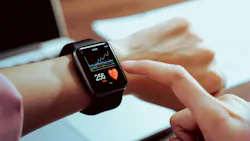
It was 7 p.m. and my watch lit up with my daily evaluation “You’ve had an easy day.” My mouth fell open and an audible gasp came out. What it clearly hadn’t registered, besides my 7,000 steps, were the eight stressful clinical hours with complex (and late) patients, the traffic from a minimum day at the neighborhood school which reduced my lunch by 20 minutes, or the hour of weight training that I did after work.
Wearable technology has exploded in popularity over the last several years. Smart watches, smart rings, sleep trackers, heart rate monitors, continuous glucose monitors and recovery apps now provide users with around-the-clock access to health data that once required a medical office or laboratory. From step counts and sleep scores to heart rate variability (HRV) and recovery readiness, wearable devices promise greater insight into our health and performance than ever before.
In many ways, that can be incredibly beneficial. Research has shown that wearable technology may help increase physical activity awareness, improve accountability, and encourage healthier lifestyle habits.¹ For many users, seeing objective data can be motivating and empowering. A gentle reminder to stand, move, breathe, or go to bed earlier may be exactly the nudge someone needs to improve their daily habits.
However, there is another side to wearable technology that deserves discussion - particularly among high-performing, high-stress, perfectionism-driven professionals such as dental clinicians.
At what point does health tracking stop creating awareness and start creating hypervigilance?
Many dental professionals already operate in a heightened state of physical and mental stress through prolonged concentration, static postures, repetitive precision movements, and continuous interaction throughout the day. Adding constant biometric feedback into that environment can sometimes amplify stress rather than reduce it.
Although many wearables continue to improve in accuracy, studies have shown that measurements such as calorie expenditure, sleep staging, and even heart rate variability can vary significantly between devices.² Wearables can and probably should be most used for identifying trends over time, but they are not perfect medical instruments. Ever had a sleep score show that you went to sleep two hours earlier by watching a movie in bed beforehand? Slowed breathing, no movement…feels the same to the watch.
Elevated stress, dehydration, time zone changes, travel, poor sleep, illness, caffeine intake, menstrual cycles, and intense exercise can all temporarily affect metrics such as HRV and resting heart rate. One isolated “bad” score does not necessarily mean the body is failing or unhealthy.
Emerging research suggests that frequent biometric monitoring and wearable device use may increase symptom preoccupation and health-related anxiety in certain individuals, particularly those already prone to perfectionism or health-related worry.³ For dental clinicians, many of whom are highly conscientious and performance-driven personalities, this is an important consideration.
None of this means wearable technology is bad. In fact, wearables can be incredibly useful tools when used appropriately. Identifying trends, improved movement awareness, encouraging healthier sleep habits, and even detecting irregular heart rhythms that warrant medical evaluation are all great. For many people, wearable devices provide structure, motivation, and accountability that genuinely improve overall health behaviors.
The key is remembering that technology should support health awareness - not become the centerpiece.
Features that can support health awareness in real time without opening the door for hypervigilance are movement alerts, hydration reminders, prolonged sitting notifications, elevated heart rate alerts during exercise, mindfulness prompts, and medication reminders. These types of features encourage healthier behaviors in the moment without requiring constant interpretation or emotional attachment to a score.
Features that are likely more useful when monitored as trends over time rather than on a day-to-day basis include sleep score, HRV, recovery data, resting heart rate, readiness scores, calorie expenditure, and stress metrics. Looking at broader patterns over weeks or months often provides more meaningful insight than reacting emotionally to a single “bad” day of data.
Sometimes the healthiest thing a person can do is remove the watch, go for a walk, breathe deeply, sleep, hydrate, exercise, and reconnect with how their body feels instead of constantly monitoring what a device says about it.
Wearable technology is likely here to stay, and for many people, that is a positive thing. Increased awareness around movement, recovery, sleep, and cardiovascular health can absolutely support healthier lifestyles. The goal is not to reject technology, but to use it with perspective.
It was 7 p.m. and my watch lit up with my daily evaluation “You’ve had an easy day.” My mouth fell open and an audible gasp came out. What it clearly hadn’t registered, besides my 7000 steps, were the 8 stressful clinical hours with complex (and late) patients, the traffic from a minimum day at the neighborhood school which reduced my lunch by 20 minutes, or the hour of weight training that I did after work.
Wearable technology has exploded in popularity over the last several years. Smart watches, smart rings, sleep trackers, heart rate monitors, continuous glucose monitors and recovery apps now provide users with around-the-clock access to health data that once required a medical office or laboratory. From step counts and sleep scores to heart rate variability (HRV) and recovery readiness, wearable devices promise greater insight into our health and performance than ever before.
In many ways, that can be incredibly beneficial. Research has shown that wearable technology may help increase physical activity awareness, improve accountability, and encourage healthier lifestyle habits.¹ For many users, seeing objective data can be motivating and empowering. A gentle reminder to stand, move, breathe, or go to bed earlier may be exactly the nudge someone needs to improve their daily habits.
However, there is another side to wearable technology that deserves discussion - particularly among high-performing, high-stress, perfection driven professionals such as dental clinicians.
At what point does health tracking stop creating awareness and start creating hypervigilance?
Many dental professionals already operate in a heightened state of physical and mental stress through prolonged concentration, static postures, repetitive precision movements, and continuous interaction throughout the day. Adding constant biometric feedback into that environment can sometimes amplify stress rather than reduce it.
Although many wearables continue to improve in accuracy, studies have shown that measurements such as calorie expenditure, sleep staging, and even heart rate variability can vary significantly between devices.² Wearables can and probably should be most used for identifying trends over time, but they are not perfect medical instruments. Ever had a sleep score show that you went to sleep 2 hours earlier by watching a movie in bed beforehand? Slowed breathing, no movement…feels the same to the watch.
Elevated stress, dehydration, time zone changes, travel, poor sleep, illness, caffeine intake, menstrual cycles, and intense exercise can all temporarily affect metrics such as HRV and resting heart rate. One isolated “bad” score does not necessarily mean the body is failing or unhealthy.
Emerging research suggests that frequent biometric monitoring and wearable device use may increase symptom preoccupation and health-related anxiety in certain individuals, particularly those already prone to perfectionism or health-related worry.³ For dental clinicians, many of whom are highly conscientious and performance-driven personalities, this is an important consideration.
None of this means wearable technology is bad.
In fact, wearables can be incredibly useful tools when used appropriately. Identifying trends, improved movement awareness, encouraging healthier sleep habits, and even detecting irregular heart rhythms that warrant medical evaluation are all great. For many people, wearable devices provide structure, motivation, and accountability that genuinely improve overall health behaviors.
The key is remembering that technology should support health awareness - not become the centerpiece.
Features that can support health awareness in real time without opening the door for hypervigilance are movement alerts, hydration reminders, prolonged sitting notifications, elevated heart rate alerts during exercise, mindfulness prompts, and medication reminders. These types of features encourage healthier behaviors in the moment without requiring constant interpretation or emotional attachment to a score.
Features that are likely more useful when monitored as trends over time rather than on a day-to-day basis include sleep score, HRV, recovery data, resting heart rate, readiness scores, calorie expenditure, and stress metrics. Looking at broader patterns over weeks or months often provides more meaningful insight than reacting emotionally to a single “bad” day of data.
Sometimes the healthiest thing a person can do is remove the watch, go for a walk, breathe deeply, sleep, hydrate, exercise, and reconnect with how their body actually feels instead of constantly monitoring what a device says about it.
Wearable technology is likely here to stay, and for many people, that is a positive thing. Increased awareness around movement, recovery, sleep, and cardiovascular health can absolutely support healthier lifestyles. The goal is not to reject technology, but to use it with perspective.
References
- Larsen RT, Christensen J, Juhl CB, Andersen HB, Langberg H. Physical activity monitors to enhance amount of physical activity in older adults: a systematic review and meta-analysis. Eur Rev Aging Phys Act. 2022;19(1):7. doi:10.1186/s11556-022-00295-9
- Fuller D, Colwell E, Low J, et al. Reliability and validity of commercially available wearable devices for measuring steps, energy expenditure, and heart rate: systematic review. JMIR Mhealth Uhealth. 2020;8(9). doi:10.2196/18694
- Simko LC, McGinnis KA, Bohnert ASB, et al. Wearables, fitness tracking, and health anxiety: a review of the current literature. Curr Psychiatry Rep. 2021;23(11):74. doi:10.1007/s11920-021-01283-7
About the Author
 Katrina Klein, RDH, CEAS, CPT
Katrina Klein, RDH, CEAS, CPT
Katrina Klein, RDH, CEAS, CPT, is a 19-year registered dental hygienist, national speaker, author, competitive bodybuilder, certified personal trainer, certified ergonomic assessment specialist, and biomechanics nerd. She’s the founder of ErgoFitLife, where she teaches that ergonomics and fitness are a lifestyle to prevent, reduce, and even eliminate workplace pain.