Medications, minerals, and the mouth: What every dental hygienist should be addressing
Key Highlights
- Medications impact oral health early: Common prescriptions—including statins, antihypertensives, metformin, levothyroxine, and SSRIs—can alter mineral balance, salivary flow, and nutrient absorption, often revealing systemic changes first in the oral cavity.
- Nutrient deficiencies drive oral manifestations: Depletions in CoQ10, vitamin B12, zinc, calcium, and other key nutrients may present as xerostomia, gingival hyperplasia, glossitis, delayed healing, taste disturbances, and increased periodontal risk.
- Hygienists play a critical preventive role: Through medication review, patient education, and guidance on lab testing and supplementation, dental hygienists can help bridge oral and systemic health for improved patient outcomes.
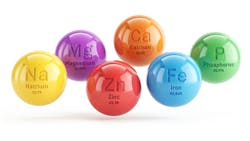
Dental hygienists are often the first health-care providers to identify changes in a patient’s systemic health. The oral cavity frequently reflects the effects of medications and underlying nutrient deficiencies long before patients recognize symptoms elsewhere in the body. With prescription and over-the-counter medication use continuing to rise across all age groups, understanding how medications alter mineral balance—and how those changes manifest orally—is essential to comprehensive dental hygiene care.
Approximately 85% of adults aged 65 and older take at least one prescription medication, with nearly one quarter taking three or more daily. Even younger populations are affected, with widespread use of antidepressants, thyroid medications, statins, antihypertensives, and diabetes therapies.1
From a dental hygiene perspective, this matters because medications do not act in isolation. Many alter salivary flow, interfere with nutrient absorption, or increase oxidative stress—each of which can directly impact periodontal health, caries risk, wound healing, and oral diseases.2
Here we will discuss the top five prescribed medications (plus a bonus OTC medication) in the US and various oral manifestations and mineral deficiencies we see with these medications.
Statins: Atorvastatin (Lipitor)
Statins, including atorvastatin, are among the most commonly prescribed medications in the US. They function by inhibiting HMG-CoA reductase, a key enzyme in hepatic cholesterol synthesis. Statin therapy has been strongly associated with reduced levels of coenzyme Q10 (CoQ10), often decreasing serum concentrations by 40%–50% within weeks of medication usage. CoQ10 is essential for mitochondrial energy production and antioxidant defense. From a dental hygiene standpoint, reduced CoQ10 levels may contribute to increased periodontal inflammation, delayed wound healing, heightened oxidative stress within gingival tissues, xerostomia, and taste alterations, potentially linked to zinc depletion.3
Thyroid replacement therapy: Levothyroxine
Levothyroxine, a synthetic form of thyroxine (T4), is prescribed for hypothyroidism and must be carefully timed for optimal absorption. Although the medication itself does not cause deficiencies, individuals with thyroid disorders frequently present with low levels of iodine, selenium, zinc, iron, vitamin D, and vitamin B12.4
Patients taking levothyroxine may exhibit xerostomia, macroglossia with scalloping, glossitis associated with iron or B-vitamin deficiency, and delayed tooth eruption in pediatric patients. It is also important to note that calcium, iron, magnesium, and antacids can interfere with levothyroxine absorption, making patient education on supplement timing particularly important.5
Antihypertensives: Lisinopril and amlodipine
Hypertension is frequently managed with ACE inhibitors and calcium channel blockers. Lisinopril is the most prescribed medication to treat high blood pressure in the US. It promotes vasodilation by reducing angiotensin II. It lowers blood pressure by lowering systemic vascular resistance and BP without increasing heart rate. Some people take it for kidney protection if they have diabetes. ACE Inhibitors may increase potassium while decreasing sodium and zinc levels. In turn, it can cause xerostomia and taste disturbances, often linked to zinc imbalance.6
While amlodipine (calcium channel blockers) inhibits calcium influx in vascular smooth muscle, these medications may not directly deplete minerals but interfere with calcium-dependent enzymatic processes. Calcium is essential for activating collagenase, an enzyme needed to break down connective tissue. By blocking calcium uptake, amlodipine disrupts this pathway, leading to an accumulation of collagen and other matrix proteins in the gingiva.7 Calcium is essential for activating collagenase, an enzyme needed to break down connective tissue. By blocking calcium uptake, amlodipine disrupts this pathway, leading to an accumulation of collagen and other matrix proteins in the gingiva; therefore we get medication-induced gingival hyperplasia.8,9
Diabetes management: Metformin
Metformin remains a first-line therapy for type II diabetes. While effective at reducing hepatic glucose production, it has been shown to interfere with vitamin B12 absorption in the gastrointestinal tract. Vitamin B12 deficiency may present orally as glossitis, angular cheilitis, recurrent ulcerations and delayed healing, and increased periodontal destruction.10 Patients with diabetes already face heightened periodontal risk, making identification of medication-related nutrient depletion especially important.11
Antidepressants: SSRIs such as Zoloft
Selective serotonin reuptake inhibitors (SSRIs) increase serotonin availability in the central nervous system. However, they are associated with multiple oral side effects and nutrient imbalances, including low sodium and deficiencies in vitamin D and B vitamins. Oral manifestations from these imbalances include xerostomia, metallic taste, glossitis and mucosal ulcerations related to B-vitamin deficiency, and increased caries risk secondary to reduced salivary flow.12
Antacids and acid suppression
Chronic use of antacids and acid-reducing agents raises gastric pH, impairing absorption of calcium, iron, magnesium, phosphate, and vitamin B12. For dental hygienists, this underscores the importance of evaluating unexplained mucosal changes or delayed healing in patients with long-term acid suppression therapy.13
Guiding patients through education
Although coordination of care with patients’ medical providers is ideal, many individuals face barriers such as limited time, access, or motivation to pursue follow-up appointments. In these situations, dental hygienists can play a proactive role in supporting systemic health. I routinely recommend selective or comprehensive laboratory testing—at a minimum annually—to assess patients’ mineral and nutrient status, with particular attention to deficiencies commonly associated with specific medications. Educating patients about which vitamins and minerals may be affected by their pharmacologic therapy empowers them to better understand their overall health.14
One effective strategy has been utilizing direct-to-consumer laboratory services, such as those offered by Quest Diagnostics, which allow patients to order their own blood work. This approach enables me to guide patients through the testing process and help them compile relevant laboratory data to share with their primary care provider. In turn, this facilitates informed discussions regarding the need for supplementation or potential medication adjustments.
Xerostomia remains one of the most prevalent oral side effects of prescription medications. In managing medication-induced dry mouth, I have found success with products such as Guru Nanda’s Dry Mouth Oral Rinse and hydroxyapatite-based toothpaste. The hydroxyapatite toothpaste is fortified with vitamins D3, E, and K2, as well as essential oils and neem. Neem, a well-recognized Ayurvedic medicinal plant, has demonstrated benefits for soothing soft tissue irritation and supporting gingival health—an important consideration for patients experiencing chronic xerostomia.
Conclusion
Medications and minerals profoundly influence oral health. By understanding common prescription drugs, their nutrient interactions, and their oral manifestations, dental hygienists can elevate patient care, improve outcomes, and strengthen interdisciplinary collaboration. The mouth is often the first place systemic imbalance appears—and dental hygienists are uniquely positioned to notice.
Editor’s note: This article first appeared in Clinical Insights newsletter, a publication of the Endeavor Business Media Dental Group. Read more articles and subscribe.
References
- Cohen RA, Mykyta L. Prescription medication use, coverage, and nonadherence among adults age 65 and older: United States, 2021-2022. National Health Statistics Reports. Number 209. Centers for Disease Control and Prevention. September 5, 2024. https://www.cdc.gov/nchs/data/nhsr/nhsr209.pdf
- Sreebny LM, Schwartz SS. A reference guide to drugs and dry mouth – 2nd edition. Gerodontology. 1997;14(1):33-47. doi:10.1111/j.1741-2358.1997.00033.x
- Lipitor. Reference ID: 5357362. Food and Drug Administration. https://www.accessdata.fda.gov/drugsatfda_docs/label/2024/020702s081lbl.pdf
- Dietrich T, et al. Vitamin D and periodontal disease. Am J Clin Nutr. 2013;87(4):108–113.
- Synthroid. Reference ID: 5037921. Food and Drug Administration. https://www.accessdata.fda.gov/drugsatfda_docs/label/2022/021402s036lbl.pdf
- Zestril. Reference ID: 3678295. Food and Drug Administration. https://www.accessdata.fda.gov/drugsatfda_docs/label/2014/019777s064lbl.pdf
- Norvasc. Reference ID: 2943634. Food and Drug Administration. https://www.accessdata.fda.gov/drugsatfda_docs/label/2011/019787s047lbl.pdf
- Dongari-Bagtzoglou A, Research, Science and Therapy Committee, American Academy of Periodontology. Drug-associated gingival enlargement. J Periodontol. 2004;75(10):1424-1431. doi:10.1902/jop.2004.75.10.1424
- Sruvastava A, Kundu D, Bandyopadhyay P, Pal AK. Management of amlodipine-induced gingival enlargement: series of three cases. J Indian Soc Periodontol. 2010;14(4):279-281. doi:10.4103/0972-124X.76931
- Allen LH. Causes of vitamin B12 and folate deficiency. Food Nutr Bull. 2009;29(2 Suppl):S20-S34. doi:10.1177/15648265080292S105
- Glucophage. Reference ID: 4079189. Food and Drug Administration https://www.accessdata.fda.gov/drugsatfda_docs/label/2017/020357s037s039,021202s021s023lbl.pdf
- Zoloft. Reference ID: 4032692. Food and Drug Administration. https://www.accessdata.fda.gov/drugsatfda_docs/label/2016/019839s74s86s87_20990s35s44s45lbl.pdf
- Gelusil. Pfizer. https://labeling.pfizer.com/ShowLabeling.aspx?id=14809
- Xerostomia (dry mouth). American Dental Association. Updated April 24, 2023. https://www.ada.org/resources/ada-library/oral-health-topics/xerostomia
About the Author
 Stacy Weisman, MS, RDH, OMT
Stacy Weisman, MS, RDH, OMT
With over 20 years of experience in dental hygiene, Stacy Weisman, MS, RDH, OMT, is a dedicated clinician with advanced training in myofunctional therapy. She is the owner of The Hygienist Mom and author of the Nutritional Counseling for Dental Professionals guide, integrating nutrition, airway-focused dentistry, and preventive care into her practice. Through her myofunctional therapy business, she provides personalized, evidence-based care that promotes oral health, supports whole-body wellness, and empowers patients and professionals.