In Brief: AAE updates guidelines for traumatic injuries, new agreement advances licensure examination, mobile dental clinic raises oral care awareness
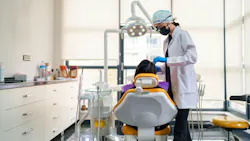
New guidelines for treatment traumatic dental injuries
The American Association of Endodontists (AAE) have released new guidelines for the treatment of traumatic dental injuries in the Journal of Endodontics earlier this month.
These guidelines reflect current evidence-based treatment options for patients with unexpected tooth trauma. Notable additions include:
-
Support in treating a wide range of injury types, including fractures, luxation injuries and avulsed teeth
-
Tips for enacting comprehensive follow-up protocols with an emphasis on ongoing monitoring for long-term success
-
Reinforcing the role clinical judgment plays in tailoring treatment plans for each patient
-
An emphasis on the appropriate use of imaging (including 3D CBCT) to enhance diagnosis and clinical decision-making1
According to the AAE, the unpredictability and urgency of traumatic dental injuries make prompt intervention essential to a success, even if the traumatized tooth cannot be fully restored. Thus, having a reliable, up-to-date set of guidelines is key. AAE president Dr. Steven J. Katz said in a press release: “Dental trauma can happen at any time—from sports injuries to everyday accidents at home. How quickly and appropriately a tooth is treated can make all the difference."1
The AAE also notes that every patient requires individualized treatment and that their guidelines should be used as a loose clinical resource rather than a rigid framework. They were constructed with the assistance of foundational elements from the International Association of Dental Traumatology (IADT) 2020 Guidelines.1
Licensure examination agreement goes into effect in August
The ADA and the American Board of Dental Examiners (ADEX) have finalized a deal to incorporate the ADA’s Dental Licensure Objective Structured Clinical Examination (DLOSCE) into the ADEX Dental Examination by August 1, 2026.
DLOSCE aims to streamline licensure pathways and support portability for candidates seeking to practice in the 48 states and other jurisdictions (including Washington, DC, Puerto Rico, Jamaica, and the US Virgin Islands) that accept or require the ADEX Dental Examination. This agreement is designed to improve public health, patient care, and licensure standards.2
DLOSCE is currently accepted in six US states and is accepted as a partial fulfillment of official dental licensure requirements in two more. According to the Joint Commission of National Dental Examinations (JCNDE)’s website, DLOSCE requires candidates to “use their clinical skills to successfully complete one or more dental problem-solving tasks” and “provide information to US dental boards seeking to determine whether licensure candidates have the necessary level of clinical skills to safely practice entry-level dentistry.” The use of images and 3D models allow candidates to demonstrate clinical judgment in real‑world practice scenarios.2,3
In an ADA press release, the organization noted: “Both organizations emphasized the importance of strengthening public protection while also enhancing the portability of dental licensure for candidates navigating an increasingly mobile profession.”
Chicago mobile dental clinic highlights care gap in underserved areas
The University of Chicago recently launched a mobile dental clinic designed to provide free dental care for patients who do not have dental insurance. Their dental bus is fully equipped to conduct oral exams, X-rays, preventive cleanings, fillings, root canals for anterior teeth, basic tooth extractions, silver diamine fluoride treatment, and complete or partial removable dentures.4
The clinic will serve those on the South Side and south Chicago neighborhoods—primarily those with limited access to affordable dental care. Although this is a Chicago-based initiative, services like the UChicago bus highlight the growing need for easily accessible care in underserved populations and areas.
A study by UChicago showed that one in five patients over age 65 hospitalized at UChicago Medicine reported not receiving oral healthcare because of cost concerns. Additionally, 2024 research by the PAN Foundation found that one-third of insured adults without regular dental care have experienced worsening dental issues and tooth loss due to care inaccessibility, noting: “oftentimes ... people can’t afford the out-of-pocket costs associated with dental care—especially when their insurance plans don’t include dental coverage. Instead, they choose to forego treatment leading to worsening of dental issues and overall health outcomes.”5
The current state of care and insurance accessibility in the US jeopardizes the health of many Americans, which is why a greater focus on delivering base-level dental care is needed to initiate change and improve oral health nationwide. Since its initiation in 2020, the UChicago bus contributed to an ongoing University of Chicago dental care study focused on how quality of life and health for older adults without dental insurance may benefit from cost-free dental care. Dr. David Meltzer, principal investigator, told UChicago: “Bringing care closer to home is critical to so many people we hope to serve. We are really excited to see the mobile unit on the move.”4
References:
-
American Association of Endodontists releases updated guidelines for the treatment of traumatic dental injuries. American Association of Endodontists. Press release. April 2026.
-
American Dental Association and American Board of Dental Examiners advance dental licensure examinations through new agreement. Press release. April 14, 2026.
-
Dental Licensure Objective Structured Clinical Examination. Joint Commission of National Dental Examinations. https://jcnde.ada.org/dlosce
-
Mobile dental unit takes no-cost oral healthcare out into the community. UChicago Medicine. March 3, 2026. https://www.uchicagomedicine.org/forefront/community-articles/mobile-dental-unit
-
Nearly half of insured adults do not receive regular dental care, access must be expanded. PAN Foundation. October 31, 2024. https://www.panfoundation.org/nearly-half-of-insured-adults-do-not-receive-regular-dental-care-access-must-be-expanded/
About the Author
 Sarah Butkovic, MA, BA
Sarah Butkovic, MA, BA
Sarah Butkovic, MA, BA, is an Associate Editor at Endeavor Business Media, where she works on creating and editing engaging and informative content for today's leading online dentistry publications. She holds a Master's English Language and Literature from Loyola University Chicago and is passionate about producing high-quality content that educates, inspires, and connects with readers.