ADA updates sedation and anesthesia guidelines
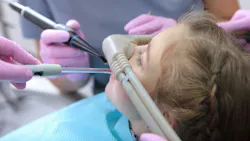
The American Dental Association (ADA) has updated their guidelines on sedation and anesthesia for the first time in over a decade.
According to the ADA, the updates are meant to inform both usage and training education, reflecting “current, evidence-informed national and educational standards to support consistency, preparedness and patient safety across the dental profession.” They were codeveloped by experts from eight dental and medical organizations and adopted by the ADA House of Delegates in October 2025.1
Per the ADA’s press release announcing these revisions, two sets of guidelines were updated: the ADA Guidelines for the Use of Sedation and General Anesthesia by Dentists and the ADA Guidelines for Teaching Pain Control and Sedation to Dentists and Dental Students.
Key features include:2
Status and fasting recommendations. Patients required to fast before surgery should be instructed based on the ASA Summary of Fasting and Pharmacologic Recommendations. Fasting modifications may apply to those with physiologic conditions or taking medications that delay gastric emptying.
More precise documentation for weight-based dosing. The ADA recommends that a time-centered anesthetic record must be maintained, including the names of all drugs, dosages (e.g., mg or mcg) and their administration times.
The addition of body mass index (BMI) for baseline vital signs. Physical evaluations are important as are baseline vital signs (body weight, height, blood pressure, pulse rate, respiration rate, and now BMI) during the preoperative phase. Patients with a high BMI may be at increased risk for airway associated morbidity or other factors such as obstructive sleep apnea.
A recommendation for supplemental oxygen for moderate sedation through general anesthesia. For patients under moderate sedation, the ADA advises they be placed on supplemental oxygen throughout the procedure, “as determined by the treating dentist, unless precluded by the nature of the patient, procedure (e.g., fire risk), or equipment.” Supplemental oxygen is mandatory for patients under deep/heavy sedation.
Clarification on acceptable delivery systems. Safeguards involving the documentation of complying with manufacturers’ maintenance instructions for anesthesia-related equipment should always be in place.
A stronger emphasis on education, emergency preparedness, documented protocols, and routine training drills. Regardless of the level of sedation required for a dental procedure, documented training sessions and rehearsed emergency drills must be conducted every six months, at minimum.
As the organization responsible for developing national care standards for dental professionals, the ADA’s efforts to ensure their sedation protocols align with evolving standards of care keep clinicians up-to-date with evolving practices and technology. Guidelines affect how practices evaluate patients, train students/staff, monitor procedures, and manage treatment, all directly impacting patient safety, regulatory compliance, and liability risk.
Chair of the Anesthesiology Committee, Brian J. Howe, said: “It is encouraging to see all involved organizations come together, reach consensus and develop updated anesthesia guidelines that will better serve our profession and, most importantly, our patients.”1
The ADA noted that their new guidelines are available as resources for state dental boards to use in determining education and competency regulations. Additionally, they “reflect current Commission on Dental Accreditation standards and outline essential educational requirements for minimal and moderate sedation.”1
References:
- ADA releases updated sedation and anesthesia guidelines. American Dental Association. April 20, 2026. Press release.
- ADA guidelines for the use of sedation and general anesthesia
by centists. American Dental Association. October 2025.
About the Author
 Sarah Butkovic, MA, BA
Sarah Butkovic, MA, BA
Sarah Butkovic, MA, BA, is an Associate Editor at Endeavor Business Media, where she works on creating and editing engaging and informative content for today's leading online dentistry publications. She holds a Master's English Language and Literature from Loyola University Chicago and is passionate about producing high-quality content that educates, inspires, and connects with readers.