Anti-inflammatory stitches developed by undergraduate researcher can reduce surgical inflammation
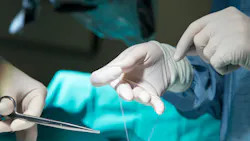
Researchers at Ouachita Baptist University are currently developing stitches laden with anti-inflammatory drugs to reduce and prevent swelling from surgical or accidental wounds. These stitches are the brainchild of undergraduate researcher Mieya Kirby, who witnessed her mother’s healing struggles after a breast reconstruction surgery.
These stitches could eliminate the need for oral pain medication reminders and increase the success rates for procedures that involve anastomosis, which is the suturing together of blood vessels.1
What inspired this technology
Although oral medications like ibuprofen alleviate pain, they do not directly interact with the suture site—and inflamed wounds may cause scarring or hinder the healing process.
In the case of Kirby’s mother, her procedure was anastomotic, which may cause inflammation at the suture site. In turn, this inflammation could close the blood vessels and cause the stitches to fail. According to a press release by Newswise, “this can cause scars, reopening of wounds, infections or, as in the case of breast reconstruction surgery, death of surrounding tissue.”1
The science, explained
Kirby and her team looked toward electrospun polymers as an alternative that would minimize the inflammation of sutured vessels. These polymers are advantageous for wound healing. A 2020 study from the National Library of Medicine found that “electrospinning offers a great opportunity to prepare drug delivery systems, as it proposes different strategies for incorporating drugs and other biomolecules. Electrospun fibers can deliver agents to the target sites, while reducing the toxic side effects of drugs.”2
They can also improve the effectuality of drug therapy by controlling the rate and mechanism of release for the drugs. This material was particularly suited to Kirby’s research because “under high voltage, polymer solutions are drawn into delicate nanofibers that can be molded into different shapes, including dissolvable stitches, and provide a surface for regenerating tissues.”1
Previously, scientists coated sutures with anti-inflammatory drugs by dipping the stitches into solutions containing these drugs, but problems arose when they discovered the drug solutions don’t hold onto the polymers tightly. They also released the drug too quickly into the body and interfered with the collagen synthesis process. This makes them less than ideal for wounds that take a long time to heal.
But when polydioxanone, a polymer used in dissolvable stitches, was blended with another polymer that could bind anti-inflammatory drugs during the electrospinning process, researchers found that the drugs were released more gradually.
Dentistry and the future of anti-inflammatory stitches
Scientists aim to experiment more with polymers and electrospinning to make stitches resistant to bacterial infections and test stronger fibers. Success with animal models would bring anti-inflammatory stitches closer to commercialization and widespread use.
This technology may also impact dentistry—particularly in oral and maxillofacial procedures where maintaining or restoring blood supply is critical.3
For example, a 2023 study in Periodontology 2000 examined healing for ridge augmentation procedures in implant-related cases. The success of procedures like these largely depends on having an adequate blood supply and controlled inflammation; common complications are directly linked to excessive or poorly managed inflammatory responses.4
Anti-inflammatory stitches could mitigate these risks by reducing site inflammation and supporting a more favorable healing environment to improve graft stability and soft tissue closure.4 This is just one way anti-inflammatory sutures can benefit dentists and oral surgeons in the future if this technology becomes more widely available.
Kirby will present on the results of her studies at the spring meeting of the American Chemical Society (ACS), which is being held now until March 26. It showcases over 10,000 scientific presentations.
References
-
Surgical stitches loaded with anti-inflammatory medications. Newswise. March 16, 2026. Press release.
-
Azimi B, Maleki H, Zavagna L, De la Ossa JG, et al. Bio-Based Electrospun Fibers for Wound Healing. J Funct Biomater. 2020;22;11(3):67. doi:10.3390/jfb11030067
-
Borah R, Sinha R, Balaram K, et al. Blood substitutes used in dentistry and OMFS: systematic review. J Pharm Bioallied Sci. 2025;17(Suppl 5):S3484-S3486. doi:10.4103/jpbs.jpbs_939_25
-
Leblebicioglu B, Tatakis DN. Complications following alveolar ridge augmentation procedures. Periodontol 2000. 2023;93:221-235. doi:10.1111/prd.12509
About the Author
 Sarah Butkovic, MA, BA
Sarah Butkovic, MA, BA
Sarah Butkovic, MA, BA, is an Associate Editor at Endeavor Business Media, where she works on creating and editing engaging and informative content for today's leading online dentistry publications. She holds a Master's English Language and Literature from Loyola University Chicago and is passionate about producing high-quality content that educates, inspires, and connects with readers.