Essential oils in holistic oral care: Cinnamon
Key Highlights
- Ceylon (“true”) cinnamon differs from other cinnamon varieties and is gaining attention as a popular botanical ingredient in holistic oral care products.
- Cinnamon contains naturally occurring polyphenols and has been studied for its potential role in oral wellness, including gingival health and oral hygiene support.
- Consumer demand for natural, wellness-focused oral care is driving the growth of cinnamon-infused toothpastes, mouth rinses, and oil-pulling products.
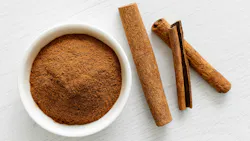
More and more patients are exploring holistic approaches to support their oral wellness routines. Botanical ingredients and essential oils have long been associated with personal care traditions, and many are now appearing in modern oral care products marketed toward consumers seeking naturally inspired alternatives. From clove and peppermint to cinnamon and eucalyptus, these ingredients continue to gain attention for their sensory qualities, traditional use, and role in wellness-focused lifestyles.
This series will explore some of the most common essential oils found in today’s oral care market and discuss their history, sourcing, and growing popularity within holistic oral wellness products.
Cinnamon
Not all cinnamon is created equal. The four primary varieties commonly available on the market are Vietnamese, Cassia (Chinese), Indonesian, and Ceylon cinnamon. Ceylon cinnamon is often referred to as “true cinnamon.”¹ Derived from the inner bark of the Cinnamomum verum tree, Ceylon cinnamon contains lower levels of coumarin than Cassia cinnamon.²
As consumer interest in botanical products continues to grow, understanding ingredient sourcing and labeling becomes increasingly important. In the United States, cinnamon products are not always labeled by their botanical source, which means consumers may not realize there are differences between cinnamon varieties in flavor profile, composition, and traditional use.
Beyond its culinary popularity, cinnamon has a long history of traditional use in wellness practices across multiple cultures. Historically, cinnamon was incorporated into herbal preparations, teas, and personal care rituals because of its warm aroma and comforting sensory qualities. Today, cinnamon remains one of the most recognizable botanical flavors used in wellness and personal care products.
Consumer interest in botanical oral care
Consumers are increasingly seeking oral care products that align with broader wellness-focused lifestyles. Naturally inspired ingredients, botanical extracts, and essential oils continue to grow in popularity among individuals looking for complementary additions to their self-care routines.
Flavor and sensory experience can also play an important role in daily oral care habits. Warm and familiar flavor profiles such as cinnamon may encourage consistency while creating a refreshing and enjoyable wellness ritual for patients who prefer alternatives to traditional mint-based products.
Antioxidant properties
Ceylon cinnamon contains naturally occurring polyphenolic compounds called proanthocyanidins. Polyphenols are plant-based compounds commonly studied for their antioxidant properties and their role in wellness research.3 Because of this, cinnamon continues to attract attention within broader discussions surrounding botanical ingredients and holistic wellness trends.
Oral wellness and cinnamon
Interest in cinnamon within oral care products has also been explored in published literature. A 2015 study published in the Journal of the International Academy of Periodontology compared cinnamon extract mouthwash, chlorhexidine mouthwash, and placebo on measures related to oral hygiene and gingival health over a four-week period.4
The study concluded that both the cinnamon and chlorhexidine groups demonstrated measurable changes during the experimental period. Researchers suggested that cinnamon may continue to be an area of interest within future oral wellness research.4
While additional research is still evolving, cinnamon’s warm flavor profile and long-standing traditional use continue to make it a popular ingredient in holistic oral care products today.
Current products
Cinnamon continues to grow in popularity within oral care and holistic wellness products because of its warm flavor profile and long history of traditional use. Today, cinnamon can be found in a variety of oral care formulations, including toothpastes, mouth rinses, and specialty products from established brands such as ACT, Colgate (Tom's of Maine), and Crest, as well as natural-focused companies including Boka, RiseWell, Desert Essence, and GuruNanda. For example, GuruNanda offers a Ceylon Cinnamon Oil Pulling solution as part of its botanical-inspired oral care line, providing consumers with an additional option for incorporating cinnamon into their daily oral care routine. The growing availability of cinnamon-containing products across a wide range of brands reflects increasing consumer interest in natural ingredients, flavor variety, and holistic approaches to oral wellness.
For many individuals, oral care is evolving beyond routine hygiene into a broader wellness ritual that incorporates flavor, sensory experience, and mindfulness. Botanical-inspired products allow consumers to personalize their routines while exploring alternatives that align with their lifestyle preferences.
Conclusion
Cinnamon highlights how botanical ingredients continue to remain relevant in modern oral wellness conversations. With growing consumer interest in holistic personal care products, dental professionals can help guide patients toward informed choices by understanding ingredient sourcing, traditional use, and the role these products may play within a balanced oral care routine.
As the oral care market continues to evolve, ingredients like cinnamon demonstrate how traditional wellness practices and modern consumer preferences are increasingly intersecting in everyday self-care products.
Also by the author:
- Medications, minerals, and the mouth: What every dental hygienist should be addressing
- Oral cancer awareness: The role of antioxidants in prevention and patient care
Editor’s note: This article first appeared in Clinical Insights newsletter, a publication of the Endeavor Business Media Dental Group. Read more articles and subscribe.
References
- Greger M. The safer cinnamon. NutritionFacts.org. April 24, 2012. https://nutritionfacts.org/video/the-safer-cinnamon/
- Leech J. What’s the difference between Ceylon and Cassia cinnamon? Healthline. Updated April 7, 2026. https://www.healthline.com/nutrition/ceylon-vs-cassia-cinnamon
- Tsao R. Chemistry and biochemistry of dietary polyphenols. Nutrients. 2010;2(12):1231-1246. doi:3390/nu2121231
- Gupta D, Jain A. Effect of cinnamon extract and chlorhexidine gluconate (0.2%) on the clinical level of dental plaque and gingival health: a 4-week, triple-blind randomized controlled trial. J Int Acad Periodontol. 2015;17(3):91-98.
About the Author
 Stacy Weisman, MS, RDH, OMT
Stacy Weisman, MS, RDH, OMT
With over 20 years of experience in dental hygiene, Stacy Weisman, MS, RDH, OMT, is a dedicated clinician with advanced training in myofunctional therapy. She is the owner of The Hygienist Mom and author of the Nutritional Counseling for Dental Professionals guide, integrating nutrition, airway-focused dentistry, and preventive care into her practice. Through her myofunctional therapy business, she provides personalized, evidence-based care that promotes oral health, supports whole-body wellness, and empowers patients and professionals.