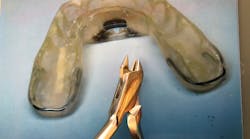
Although oral appliance therapy (OAT) is a proven, effective treatment for obstructive sleep apnea (OSA), the American Academy of Dental Sleep Medicine (AADSM) is increasingly concerned about direct-to-consumer (DTC) and mail-order companies providing these appliances without in-person clinical care from a qualified dentist.
This increased concern stems from the influx of DTC companies offering oral appliances to consumers with little or no clinical oversight. In a letter sent to the FDA on October 20, 2026, the AADSM noted that unsupervised DTC and mail-order appliances "too often has resulted in faulty devices and patient harm."2
According to data from the AADSM, OAT is best managed when a comprehensive exam impressions, construction bite registration, and delivery and maintenance is done in-person by a trained dentist.1 This data is based on extensive clinical experience and professional expertise.
Steps to prioritize patient safety
The AADSM requested the FDA take steps to protect consumers, including establishing a separate webpage on the FDA website dedicated to OAT that includes the following:
- Role of oral appliances in treating obstructive sleep apnea
- Need for a prescription and for supervision by a licensed practitioner, such as a qualified dentist
- Lack of authorization for direct-to-consumer devices and information about associated improper marketing
- Steps that should be followed to obtain and utilize oral appliances safely and effectively
- Need for in-person follow-up visits to ensure accuracy and fit and to maximize outcomes
- Benefits of oral appliance therapy
- Risks and potential harms that may occur with inappropriate oral appliance usage, including when not supervised by a licensed practitioner
- Options for reporting adverse events
Recent research published in the Journal of Clinical Sleep Medicine shows increased reporting of DTC oral appliances to the FDA Manufacturer and User Facility Device Experience (MAUDE) database in recent years.3
According to complaints filed with the FDA, patients using DTC oral appliances experienced chipped or damaged teeth, loosened or dislodged crowns, changes in bite and tooth position, jaw pain and headaches, gum bleeding and sores, and even choking and swallowing hazards from broken or detached device components.
With the FDA’s support, the AADSM believes patients will be better informed about oral appliances and the necessity of having clinical oversight to treat and manage OSA and enjoy a better quality of life.
A note on how I handle patients with OSA
I serve as the AADSM president and am a practicing dentist who provides custom-fit oral appliances for OSA. My goal is to ensure patients have a treatment that helps them get adequate sleep every night. Completing an in-person exam is needed to assess a patient’s dental, periodontal, and TMJ health, identify contraindications, or determine whether a patient is an appropriate candidate for OAT. Other essential steps include selecting the appropriate appliance for each patient, creating an oral appliance that is precisely fit to ensure both effective treatment of OSA and long-term adherence, addressing any discomfort from the oral appliance, and providing ongoing care throughout treatment.
References:
1. Levine M, Cantwell M, Postol K, Schwartz D. Dental sleep medicine standards for screening, treating, and management of sleep-related breathing disorders in adults using oral appliance therapy: an update. J Dent Sleep Med. 2025;12(2). doi:10.15331/jdsm.7384
2. FDA letter: OAT consumer protection. American Academy of Dental Sleep Medicine. October 2026. https://aadsm.org/fda_letter_oat_consumer_prote.php
3. Glick A, Richardson SE. Increasing reports and shifting categorical trends in adverse events for oral appliances. J Clin Sleep Med. 2026 Jul 22;22(1):121. doi: 10.1007/s44470-026-00139-y