Can we end care disparities for underserved children? Two experts discuss new public health initiative
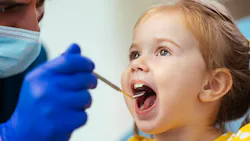
It’s no secret that limited access to proper dental care severely affects the oral health of those in rural and impoverished areas. Although there are numerous programs working to bridge this gap across the nation, one exciting pediatric initiative supported by CareCredit is the American Dental Association’s (ADA) Give Kids A Smile (GKAS) program.
Angela Martinez, Synchrony’s VP of strategic associations and dental health policy, and Sonia Williams, dental general manager at Synchrony, sat down with me to discuss ways GKAS is making a meaningful impact.
Tell me about the overall vision of these initiatives, how they are paving the way for the future of oral health.
Angela Martinez: The overall vision for GKAS is to support underserved children by providing national access to free oral health services. Each year, the GKAS kickoff is hosted at a dental school or university, where dental students oversee the program. Officially launched nationally in 2003, GKAS relies on approximately 6,500 dentists and 30,000 dental team members who volunteer annually at local events to provide free oral health education, screenings, and preventive and restorative treatment to over 300,000 children.
We also support the ADA's Give Veterans a Smile (GVAS) program, which encourages dentists to provide pro bono oral health care to underserved veterans and assist them in finding a dental home.
Sonia Williams: By supporting programs that provide immediate, life-changing care, while investing in the dental leaders of tomorrow, we are helping to create a healthier, more equitable oral health ecosystem. We believe that everyone deserves a healthy smile, and these programs are actively making that a reality.
What is the process of starting GKAS and GVAS, and what is the company’s vision?
Sonia Williams: Our vision is deeply rooted in collaboration. Programs like GKAS and GVAS don't just happen; they require a dedicated ecosystem of passionate partners, volunteers, and advocates. For us, starting and sustaining these initiatives means showing up year after year and leveraging our scale to make a difference.
Outside of numbers provided, what would success for these programs look like?
Angela Martinez: Success means inspiring more dental providers to dedicate their time, and ensuring that more children, veterans, and underserved individuals across all populations gain the access to care they deserve.
Sonia Williams: Metrics matter, but the true measure of success is human impact. It’s the feeling of a child who can finally pay attention in school because they aren't in chronic dental pain, or a veteran who regains their confidence and dignity through a restored smile. Success also looks like inspiration in our future generations. When a student from an underrepresented background participates in the BOLD or SMILE programs and suddenly realizes, "I belong in this field. I can be a dentist." To me, success is about creating those moments of hope and opportunity that change the trajectory of someone's life.
What barriers are preventing people from accessing dental care, and what are these programs overcoming?
Angela Martinez: Limited funding, workforce shortages, and the challenge of reaching underserved populations remain some of the biggest barriers to care. These initiatives are tackling those challenges head-on. For instance, the NDA SMILE Pathway Program and the HDA BOLD Program are addressing workforce deficiency, which is currently one of dentistry’s number-one challenges. Both programs focus on students who are interested in healthcare and serving their communities, which helps expand diversity in the workforce.
Meanwhile, the GKAS and GVAS programs tackle barriers through national initiatives that give dentists and their teams the opportunity to treat children who, for various reasons, may have never visited a dentist before. Ultimately, the barrier we are working to overcome is getting more dentists and team members to dedicate their time and resources to this vital pro bono work.
Sonia Williams: Angela nailed it. The biggest barriers are systemic: financial limitations, lack of local providers, and a critical shortage of dental professionals who represent the communities they serve. This is where Synchrony’s work through CareCredit comes into play. Every day, CareCredit helps patients fit the cost of treatment into their monthly budgets, so they don't have to delay recommended care. But for those who cannot access the healthcare system for cost or other reasons, these community programs act as a bridge.
What obstacles could these programs face?
Angela Martinez: The obstacles are very similar to the barriers I mentioned. Getting dentists and dental teams to dedicate their time pro bono is always a challenge. The workforce shortage is a major hurdle, as staffing remains the top issue facing many practices today. To help address this, DSOs have also started establishing their own pathway programs to help mitigate the workforce shortage.
Sonia Williams: The workforce shortage is a very real challenge that affects the entire dental industry. Practices are stretched thin, which makes it harder for providers to find the extra time to dedicate to pro bono work, despite their incredible generosity. That is why our transition to supporting pathway programs is so critical. By supporting the pipeline of future dental assistants, hygienists, and dentists, we are helping strengthen the workforce pipeline the industry will need for years to come.
How would providing early exposure to dentistry alter the industry long-term? How would it support an improvement in the future of oral care?
Angela Martinez: In my opinion, early exposure is key—particularly for diverse students who might not otherwise have exposure to healthcare career options. I have personally been in dentistry for 34 years; I started working in a dental office when I was 16 years old and learned everything on the job. I often wish programs like these had been available when I was in high school, as they would have given me a clearer path.
Sonia Williams: I love Angela's story because it shows the power of early exposure. When we introduce young people to the world of dentistry early on, we demystify the profession and plant a seed of possibility. Long-term, this changes the industry by bringing in fresh, diverse perspectives that can help close the health equity gap. Patients are more likely to seek out and trust care when they see themselves reflected in their healthcare providers. Early exposure creates opportunities. Opportunity builds a more representative workforce. And a more representative workforce helps strengthen trust and improve oral health outcomes across communities.
With your company’s association engagement and advocacy program, how will you continue to create programs like these?
Angela Martinez: I am extremely passionate about my work here and advocating for access to care for all. I am always looking for ways that CareCredit can work with our partners to collaborate and tap into all the resources we have available. When I connect with our partners, my conversations always focus on how we can support collective advocacy efforts and ensure they align with the CareCredit and Synchrony mission.
Sonia Williams: At Synchrony, we know we are stronger together. Advocacy is a team sport. By aligning our corporate mission of financial inclusion with our partners' clinical expertise, we can lobby for policies, programs, and education that make oral care more accessible. We’ll continue looking for innovative, collaborative ways to work alongside our partners to make a lasting, positive impact on oral health nationwide.
About the Author
 Sarah Butkovic, MA, BA
Sarah Butkovic, MA, BA
Sarah Butkovic, MA, BA, is an Associate Editor at Endeavor Business Media, where she works on creating and editing engaging and informative content for today's leading online dentistry publications. She holds a Master's English Language and Literature from Loyola University Chicago and is passionate about producing high-quality content that educates, inspires, and connects with readers.