Building stronger foundations: Actionable strategies for lifelong skeletal health
Key Highlights
- Peak bone mass is shaped early in life by nutrition, physical activity, hormonal health, sleep, and lifestyle behaviors, influencing skeletal health decades later.
- Hormones—including estrogen, progesterone, testosterone, vitamin D3, and melatonin—play interconnected roles in bone remodeling, density, and fracture risk.
- Restorative sleep, targeted nutrition, and safe, progressive exercise are essential strategies for supporting bone health throughout life.

Editor’s note: This is part two of a three-part series on the lifespan continuum of bone health and the essential role of dental professionals. Read part one here.
Building on the foundational concepts presented in part one of this series, we will probe these further to understand their impact on skeletal health. While bone health is frequently discussed primarily in the context of postmenopausal women, skeletal longevity is far more inclusive and complex. Bone is living, dynamic tissue that demands our attention regardless of biological sex. Whether navigating the hormonal shifts of women in midlife or the gradual decline in testosterone experienced by many men,1 our skeletal framework may help tell the story of our overall systemic health.
This article moves past the basics to explore evidence-based strategies designed to maximize bone health. We will be examining the critical factors that influence peak bone mass during adolescence and young adulthood, including nutrition, physical activity, menstrual and hormonal health, body weight, genetics, and lifestyle behaviors.
From there, we will examine the critical role of hormones in maintaining skeletal integrity, highlighting how fluctuations in hormones during pivotal stages of a woman's life can accelerate bone loss and increase fracture risk, while also addressing the broad spectrum of hormones across both sexes. We will review the benefits, indications, and considerations of hormone optimization as a valuable strategy for bone density optimization to mitigate fracture risk.
Finally, we turn to everyday, modifiable lifestyle factors that support skeletal health throughout life. We will review targeted nutrition, the vital importance of restorative sleep, and participation in regular physical activity, including structured exercise.
Factors impacting peak bone mass in adolescents and young adults
Peak bone mass is the foundation of lifelong skeletal health, with its greatest accumulation occurring long before midlife. During adolescence and into early adulthood, the human body achieves its total peak bone mass, setting a structural baseline designed to last a lifetime.2
Unfortunately, modern lifestyle habits are increasingly threatening this vital window. A pervasive culture of sedentary living and physical inactivity among youth means that growing bones are routinely deprived of the mechanical loading and weight-bearing stress they desperately need to stimulate osteoblast activity and mineralize properly. This has also been shown to lead to compromised vitamin D storage in adipose tissue not reaching the bones. Without the stimulus of regular movement, young skeletons simply fail to reach their full density potential, leaving individuals structurally vulnerable decades before age-related decline even begins.3
Compounding this lack of physical stimulus are the profound metabolic disruptions caused by disordered eating, a diet high in processed foods and sugar-sweetened beverages, insulin resistance, stress, and lack of sleep during these formative years.3- 6 These disruptions could send the body into a state of metabolic crisis, drastically altering endocrine signaling and shutting down the production of bone-protective hormones like estrogen, progesterone, and testosterone.
In young women, this often manifests as menstrual irregularities or functional hypothalamic amenorrhea, a red flag that is too frequently dismissed as a normal irregularity rather than a serious threat to skeletal development.7 When low caloric intake and poor nutrition coincide with physical inactivity or even overexercising, the adolescent skeleton is deprived of essential building blocks like calcium, phosphate, vitamin D, magnesium, protein, collagen, and adequate fuel.3
By recognizing these early vulnerabilities, health professionals can help identify systemic indicators that can compromise bone development and help intercept osteoporosis decades before the first fracture occurs.
Related: Metabolic health: The missing link to clinical wellness
Hormones
The evolving paradigm of hormone therapy and bone health
The historical view of postmenopausal bone health was introduced by Dr. Fuller Albright’s 1940 observation linking estrogen deficiency to osteoporosis, which established estrogen therapy as a primary preventive intervention.8,9 However, guidance shifted abruptly following the 2002 Women’s Health Initiative (WHI) trial that evaluated conjugated equine estrogen and synthetic progestin.10
The resulting class-wide FDA boxed warnings generated widespread health concern, leading to a decades-long decline in prescribing hormone replacement therapy (HRT) and inadvertently contributing to a rise of osteoporosis prevalence in the US.11,12 Recognizing that findings from one hormone formulation should not apply to all formulations or routes of administration,13 the FDA initiated a landmark regulatory reversal finalized in early 2026, removing the broad boxed warnings and reaffirming individualized risk-benefit assessments.11
Beyond estrogen’s established role in suppressing osteoclast-mediated bone resorption, progesterone and testosterone play complementary roles in skeletal homeostasis. Progesterone supports the bone-forming side of the remodeling cycle by binding to osteoblast receptors and promoting cellular differentiation, a process critical during perimenopause (the phase prior to menopause).14 In addition, women naturally produce testosterone via the ovaries and adrenal glands, and naturally decline with age and the menopausal transition. Testosterone is shown to help preserve bone mineral density and support muscle mass.3
These reproductive hormones are an essential part of bone formation and quality. Beyond reproductive hormones, a broad endocrine network of hormones—including insulin, cortisol, and thyroid hormones—directly influences bone metabolism.15 When individuals achieve optimal levels of these hormones, they can be protective against metabolic bone conditions like osteoporosis.
Metabolic and endocrine contributors: Vitamin D3 and melatonin
Skeletal integrity relies on a wide network of systemic hormones and metabolic regulators. Vitamin D3 is essential for intestinal calcium absorption, phosphorus homeostasis, and proper bone mineralization. Inadequate vitamin D3 can contribute to impaired bone mineralization and increased bone turnover, making adequate vitamin D status an important component of overall bone health.15,16
Additionally, emerging research highlights melatonin, traditionally known for circadian regulation, as an active modulator in bone metabolism. Research suggests that melatonin receptors are present in bone cells and that melatonin may support osteoblast activity while limiting osteoclast formation and bone resorption.17,18 These relationships underscore the multifaceted hormonal and metabolic influences on skeletal health across the life course.
Clinical implications for dental professionals
Because hormonal imbalances often manifest years before traditional osteoporosis screening, dental professionals are uniquely positioned to observe associated early oral warning signs, such as accelerated alveolar bone resorption and/or progressive periodontal attachment loss.19 Being aware of the updated regulatory landscape of HRT and the intricate interplay of systemic hormones enables dental professionals to bridge the gap between oral and systemic health. This can facilitate critical conversations with patients and provide timely referrals to medical providers.
Sleep
Sleep as an active physiological state for bone metabolism
Sleep extends far beyond simple rest, serving as an active physiological state essential for tissue repair,20 glymphatic waste clearance (removal of metabolic waste from the brain), immune regulation, and memory consolidation, just to name a few.21 Emerging evidence demonstrates that sleep is equally critical for skeletal health, since bone remodeling follows circadian patterns.22
A review by Kim et al. found that sleep restriction and circadian disruption may suppress markers of bone turnover, suppressing bone formation.23 These findings suggest that sleep should be considered more than simply a period of rest; it is an active physiological state that may contribute to maintaining skeletal health.
Hormonal symbiosis for sleep: Growth hormone, melatonin, and circadian rhythms
Several key hormones linked to sleep regulation directly influence bone cell activity. Deep, slow-wave sleep triggers large nocturnal pulses of growth hormone. With up to 70% of daily growth hormone release occurring during deep slow-wave sleep, sleep fragmentation directly impairs systemic tissue repair, muscle recovery, and long-term skeletal integrity.24
Melatonin, produced by the pineal gland, acts on bone receptors to support bone-forming cells and help regulate bone breakdown.25 Although melatonin is not yet an established treatment for osteoporosis, its role in circadian regulation highlights the important link between restorative sleep and bone health.
Reproductive hormones, cortisol, and sleep disruption
The relationship between sleep and skeletal health becomes disrupted during perimenopause and menopause, when fluctuating and declining estrogen and progesterone levels trigger frequent sleep disturbances.26 Estrogen plays an important role in sleep regulation, with evidence suggesting that maintaining estrogen levels may help preserve sleep continuity and reduce sleep fragmentation during menopause.27 Progesterone metabolites help promote relaxation and facilitate sleep, and clinical studies show that bioidentical (micronized) progesterone may improve sleep outcomes for women.28
Furthermore, chronic sleep disruption can affect the body’s stress-response and sleep-wake cycle, leading to higher cortisol levels.29 Chronic exposure to elevated cortisol and prescription steroids suppresses osteoblast activity and accelerates bone resorption.30 Thus, sleep disruption can act as a potent negative driver of bone remodeling.
Clinical relevance of hormone replacement therapy (HRT) and sleep
Because menopausal hot flashes, night sweats, and other vasomotor symptoms can significantly disrupt sleep, targeted interventions are important for supporting overall health and well-being. Clinical meta-analyses indicate that HRT can significantly improve subjective sleep quality by minimizing these symptoms.31,32 Therefore, achieving adequate hours of restorative sleep,33 together with appropriate medical management,32 can help support circadian stability and protect long-term skeletal health.
Nutrition
Targeted nutrition
When translating bone health into daily practice, targeted nutrition is foundational for both the organic collagen matrix and the inorganic minerals. Protein makes up roughly half the volume of adult bone, forming the flexible collagen scaffold required to absorb physical impact and withstand fractures. Healthy dietary fats and complex carbohydrates supply the sustained cellular energy necessary for normal bone remodeling.3 However, diet alone can often fall short without strategic micronutrient support. Essential cofactors like calcium, vitamin D3, vitamin K2, and magnesium work synergistically to drive mineral absorption and properly direct calcium into the skeletal matrix.3,16
At the same time, clinicians and patients must navigate potential clinical pitfalls, such as excessive phosphorus intake from processed foods or specific drug interactions, including GLP-1 medications for certain individuals, proton pump inhibitors, and certain corticosteroids. These medications could ultimately impair mineral absorption and quietly accelerate bone resorption over time.3,30,34-36
To turn these biochemical requirements into practical daily habits, patients should lean toward a whole-food, nutrient-dense diet rich in clean proteins, fatty fish, bone broth, leafy greens, healthy fats, and fiber. Yet, when modern dietary gaps or impaired absorption make food alone insufficient, targeted supplementation with calcium, magnesium, vitamin D3, vitamin K2, and other bone-supportive nutrients may help support bone quality and quantity.37
Furthermore, incorporating plant-based phytoestrogens from sources like soybeans, flaxseeds, berries, pumpkin seeds, and lentils can mimic estrogen’s activity and serve as an ally for bone integrity.38 These natural compounds selectively interact with estrogen receptors, helping to buffer the skeletal system against the accelerated bone resorption that accompanies hormonal shifts. By bridging dietary gaps with smart supplementation and botanical support, we can help empower patients to protect their structural foundation.
Exercise
Individualized safety and professional guidance
For ideal osteoporosis prevention and management, exercise should progress from accessible, lower-risk loading to higher-stimulus activities. However, exercise selection depends on age, bone density, and individual fracture history; intensity must be tailored carefully. Individuals with existing fragility fractures benefit greatly from professional supervision to modify movement patterns and ensure safety.39,40 Working with a physical therapist or qualified trainer can help ensure proper technique assessment, risk minimization, and safe progression of exercise as fitness levels improve.41
Progressive loading and balance: From basics to resistance
Weight-bearing movements like brisk walking and stair climbing offer a practical baseline against gravity, while balance training—such as tandem stances, Tai Chi, or even brushing one's teeth on one foot—can improve stability to help reduce the risk of falls.39,42 For some individuals, data suggest that a multicomponent exercise program combining progressive resistance training (like squats and lunges with weights or bands) and safe impact activities (such as controlled jumping) can provide the mechanical stimulation that helps build stronger bones.43,44
Exercise as a lifelong commitment
Ultimately, targeted physical activity is not an optional add-on or short-term intervention; it should become an integrated, essential part of your daily lifestyle. Engaging in safe, progressive movement as a permanent habit empowers individuals to exercise confidently, protect their skeletal foundation, and maintain long-term bone health across the lifespan.39,42
Note: Before initiating any new exercise regimen, individual consultation with a qualified health-care professional or physician is imperative. The information provided herein is for educational purposes only and does not constitute medical advice or personalized instruction.
Conclusion
The concepts presented in this article only scratch the surface of the complex and dynamic processes that influence bone health across every stage of aging. Bone remodeling is regulated by an intricate interplay of physical activity, nutrition, hormones, sleep, genetics, and overall metabolic health. As our understanding of these relationships continues to evolve, so, too, does our ability to support skeletal health through both preventive and therapeutic strategies.
Osteoporosis prevention and management may require a comprehensive approach that extends beyond lifestyle strategies alone. For individuals at elevated fracture risk or with established osteoporosis, pharmaceutical therapies may also play an important role. When considering these therapies, treatment decisions should be individualized and made jointly by the patient, physician, or other qualified health-care provider after weighing the benefits and risks.
This second article from our three-part series was intended to provide a broader understanding of the foundational concepts affecting bone health and expand your knowledge base beyond the traditional view of osteoporosis as a disease of the elderly. By recognizing the lifelong factors that influence peak bone mass, bone remodeling, and fracture risk, we as health-care professionals can play an important role in promoting and bridging oral and systemic health.
As dental professionals, our role is to educate and encourage systemic health awareness; the material provided herein is strictly educational and does not constitute a medical diagnosis or treatment advice. Readers and patients are advised to seek personalized evaluation and guidance from a licensed physician or health-care provider prior to making any medical, pharmacological, or exercise decisions.
For those interested in exploring this topic further, educational content, publications, and resources can be found from experts such as Dr. Doug Lucas, Dr. Vonda Wright, Dr. Kelly Casperson, and others, who regularly share evidence-based information on bone health, hormones, exercise, nutrition, healthy aging and longevity. The more we learn about the interconnected nature of skeletal health, the better equipped we become to help ourselves and our patients build and maintain strong bones for life.
In the upcoming conclusion of our three-part series, we will explore how a routine dental exam provides a critical opportunity to identify osteoporosis risk, deliver valuable patient education, and facilitate timely medical referrals to improve overall health outcomes.
Editor’s note: This article first appeared in Clinical Insights newsletter, a publication of the Endeavor Business Media Dental Group. Read more articles and subscribe.
References
- Mohamad NV, Soelaiman IN, Chin KY. A concise review of testosterone and bone health. Clin Interv Aging. 2016;11:1317-1324. doi:10.2147/CIA.S115472
- Sopher AB, Fennoy I, Oberfield SE. An update on childhood bone health: mineral accrual, assessment and treatment. Curr Opin Endocrinol Diabetes Obes. 2015;22(1):35-40. doi:10.1097/MED.0000000000000124
- Weaver CM, Gordon CM, Janz KF, et al. The National Osteoporosis Foundation's position statement on peak bone mass development and lifestyle factors: a systematic review and implementation recommendations. Osteoporos Int. 2016;27(4):1281-1386. doi:10.1007/s00198-015-3440-3
- Bacha F, Saha PK, Armamento-Villareal R, Shypailo RJ, Puyau M, Zhang X. Adverse effect of obesity and dysglycemia on bone microarchitecture and strength in youth: sex-related differences. J Clin Endocrinol Metab. 2026;111(8):e1983-e1993. doi:10.1210/clinem/dgag087
- Swanson CM. Sleep disruption and bone health. Curr Osteoporosis Rep. 2022;20(3):202-212. doi:10.1007/s11914-022-00733-y
- Hirotsu C, Tufik S, Andersen ML. Interactions between sleep, stress, and metabolism: from physiological to pathological conditions. Sleep Sci. 2015;8(3):143-152. doi:10.1016/j.slsci.2015.09.002
- Gordon CM, Ackerman KE, Berga SL, et al. Functional hypothalamic amenorrhea: an Endocrine Society clinical practice guideline. J Clin Endocrinol Metab. 2017;102(5):1413-1439. doi:10.1210/jc.2017-00131
- Albright F, Smith PH, Richardson AM. Postmenopausal osteoporosis: its clinical features. 1941;116(22):2465-2474. doi:10.1001/jama.1941.02820220007002
- Stefanick ML. Estrogens and progestins: background and history, trends in use, and guidelines and regimens approved by the US Food and Drug Administration. Am J Med. 2005;118(Suppl 12B):64-73. doi:10.1016/j.amjmed.2005.09.059
- Cagnacci A, Venier M. The controversial history of hormone replacement therapy. Medicina (Kaunas). 2019;55(9):602. doi:10.3390/medicina55090602
- ABC News. FDA removes black box warning from hormone therapy. YouTube video. March 2026. https://www.youtube.com/watch?v=FezesFfOluU
- Naso CM, Lin SY, Song G, Xue H. Time trend analysis of osteoporosis prevalence among adults 50 years of age and older in the USA, 2005–2018. Osteoporos Int. 2025;36(3):547-554. doi:10.1007/s00198-025-07395-3
- Hormone replacement therapies can help women with bothersome menopausal symptoms. U.S. Food & Drug Administration. February 13, 2026. https://www.fda.gov/consumers/consumer-updates/hormone-replacement-therapies-can-help-women-bothersome-menopausal-symptoms
- Seifert-Klauss V, Prior JC. Progesterone and bone: actions promoting bone health in women. J Osteoporos. 2010;2010:845180. doi:10.4061/2010/845180
- Wawrzyniak A, Balawender K. Structural and metabolic changes in bone. Animals (Basel). 2022;12(15):1946. doi:10.3390/ani12151946
- Bouillon R, Marcocci C, Carmeliet G, et al. Skeletal and extraskeletal actions of vitamin D: current evidence and outstanding questions. Endocr Rev. 2019;40(4):1109-1151. doi:10.1210/er.2018-00126
- Cardinali DP, Ladizesky MG, Boggio V, Cutrera RA, Mautalen C. Melatonin effects on bone: experimental facts and clinical perspectives. J Pineal Res. 2003;34(2):81-87. doi:10.1034/j.1600-079x.2003.00028.x
- Sánchez-Barceló EJ, Mediavilla MD, Tan DX, Reiter RJ. Scientific basis for the potential use of melatonin in bone diseases: osteoporosis and adolescent idiopathic scoliosis. J Osteoporos. 2010;2010:830231. doi:10.4061/2010/830231
- Yu B, Wang CY. Osteoporosis and periodontal diseases – an update on their association and mechanistic links. Periodontol 2000. 2022;89(1):99-113. doi:10.1111/prd.12422
- Rasch B, Born J. About sleep’s role in memory. Physiol Rev. 2013;93(2):681-766. doi:10.1152/physrev.00032.2012
- Woidtke R. Sleep and the glymphatic system. Am Nurse J. 2024;19(3). doi:10.51256/ANJ032406
- Swanson C. Sleep disruption and bone health. Curr Osteoporos Rep. 2022;20(3):202-212. doi: 10.1007/s11914-022-00733-y
- Kim AS, McDonald M, Girgis CM. The relationship between sleep and bone: strange bedfellows? Curr Opin Endocr Metab Res. 2021;18:236-242. doi:10.1016/j.coemr.2021.04.003
- Stich FM, Huwiler S, D'Hulst G, Lustenberger C. The potential role of sleep in promoting a healthy body composition: underlying mechanisms determining muscle, fat, and bone mass and their association with sleep. Neuroendocrinology. 2022;112(7):673-701. doi:10.1159/000518691
- Cardinali DP, Ladizesky MG, Boggio V, Cutrera RA, Mautalen C. Melatonin effects on bone: experimental facts and clinical perspectives. J Pineal Res. 2003;34(2):81-87. doi:10.1034/j.1600-079x.2003.00028.x
- Hachul H, de Campos BH, Lucena L, Tufik S. Sleep during menopause. Sleep Med Clin. 2023;18(4):423-433. doi:10.1016/j.jsmc.2023.06.004
- Brown AMC, Gervais NJ. Role of ovarian hormones in the modulation of sleep in females across the adult lifespan. Endocrinology. 2020;161(9):bqaa128. doi:10.1210/endocr/bqaa128
- Nolan BJ, Liang B, Cheung AS. Efficacy of micronized progesterone for sleep: a systematic review and meta-analysis of randomized controlled trial data. J Clin Endocrinol Metab. 2021;106(4):942-951. doi:10.1210/clinem/dgaa873
- Hirotsu C, Tufik S, Andersen ML. Interactions between sleep, stress, and metabolism: from physiological to pathological conditions. Sleep Sci. 2015;8(3):143-152. doi:10.1016/j.slsci.2015.09.002
- Compston J. Glucocorticoid-induced osteoporosis: an update. Endocrine. 2018;61(1):7-16. doi:10.1007/s12020-018-1588-2
- Cintron D, Lipford M, Larrea-Mantilla L, et al. Efficacy of menopausal hormone therapy on sleep quality: systematic review and meta-analysis. Endocrine. 2017;55(3):702-711. doi:10.1007/s12020-016-1072-9
- Pan Z, Wen S, Qiao X, Yang M, Shen X, Xu L. Different regimens of menopausal hormone therapy for improving sleep quality: a systematic review and meta-analysis. 2022;29(5):627-635. doi:10.1097/GME.0000000000001945
- Swanson CM, Kohrt WM, Buxton OM, et al. The importance of the circadian system & sleep for bone health. 2018;84:28-43. doi:10.1016/j.metabol.2017.12.002
- Yu EW, Bauer SR, Bain PA, Bauer DC. Proton pump inhibitors and risk of fractures: a meta-analysis of 11 international studies. Am J Med. 2011;124(6):519-526. doi:10.1016/j.amjmed.2011.01.007
- Takeda E, Yamamoto H, Yamanaka-Okumura H, Taketani Y. Increasing dietary phosphorus intake from food additives: potential for negative impact on bone health. Adv Nutr. 2014;5(1):92-97. doi:10.3945/an.113.004002
- Urbina J, Salinas-Ruiz LE, Valenciano C, Clapp B. Micronutrient and nutritional deficiencies associated with GLP-1 receptor agonist therapy: a narrative review. Clin Obes. 2026;16(1):e70070. doi:10.1111/cob.70070
- D Capozzi A, Scambia G, Lello S. Calcium, vitamin D, vitamin K2, and magnesium supplementation and skeletal health. Maturitas. 2020;140:55-63. doi:10.1016/j.maturitas.2020.05.020
- Tomczyk-Warunek A, Winiarska-Mieczan A, Blicharski T, et al. Consumption of phytoestrogens affects bone health by regulating estrogen metabolism. J Nutr. 2024;154(9):2611-2627. doi:10.1016/j.tjnut.2024.05.026
- Giangregorio LM, McGill S, Wark JD, et al. Too fit to fracture: outcomes of a Delphi consensus process on physical activity and exercise recommendations for adults with osteoporosis with or without vertebral fractures. Osteoporos Int. 2015;26(3):891-910. doi:10.1007/s00198-014-2881-4
- Brooke-Wavell K, Skelton DA, Barker KL, et al. Strong, steady and straight: UK consensus statement on physical activity and exercise for osteoporosis. Br J Sports Med. 2022;56(15):837-846. doi:10.1136/bjsports-2021-104634
- Hartley GW, Roach KE, Nithman RW, et al. Physical therapist management of patients with suspected or confirmed osteoporosis: a clinical practice guideline from the Academy of Geriatric Physical Therapy. J Geriatr Phys Ther. 2022;45(3):E1-E22. doi:1519/JPT.0000000000000335
- Giangregorio LM, Papaioannou A, Macintyre NJ, et al. Too fit to fracture: exercise recommendations for individuals with osteoporosis or osteoporotic vertebral fracture. Osteoporos Int. 2014;25(3):821-835. doi:10.1007/s00198-013-2523-2
- Rodrigues IB, Ponzano M, Hosseini Z, et al. The effect of impact exercise (alone or multicomponent intervention) on health-related outcomes in individuals at risk of fractures: a systematic review and meta-analysis of randomized controlled trials. Sports Med. 2021;51(6):1273-1292. doi:10.1007/s40279-021-01432-x
- Zhang S, Huang X, Zhao X, et al. Effect of exercise on bone mineral density among patients with osteoporosis and osteopenia: a systematic review and network meta-analysis. J Clin Nurs. 2022;31(15-16):2100-2111. doi:10.1111/jocn.16101
About the Author
 Kristin Evans, BS, RDH
Kristin Evans, BS, RDH, is a nationally recognized dental educator with over 30 years of clinical experience. Known as “The pH RDH,” she specializes in pH balance, bone health, hormones, and the oral-systemic connection. Kristin delivers engaging, evidence-based education that bridges science and real-world application. Her dynamic style and deep knowledge empower dental teams to elevate outcomes, embrace prevention, and understand their vital role in improving whole-body health through personalized, integrative care.
Lori Stockert, DHSc, RDH, RDN
Lori Stockert, DHSc, RDH, RDN, is a licensed dental hygienist in Pennsylvania, New Jersey, and Australia, and a registered dietitian nutritionist in Pennsylvania. With more than 25 years of clinical dental hygiene experience, she has built a career spanning private practice, hospital-based care, and the pharmaceutical industry. Lori recently earned her Doctor of Health Sciences degree from Eastern Virginia Medical School. She is passionate about advancing preventive health care, promoting the connection between oral and overall health, and improving patient outcomes.
Related
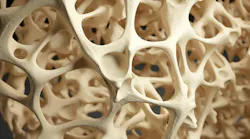 closeup of bone demonstrating osteoporosis
 Dreamstime Xl 136442243